Cleaning guide
Why Pet Urine Odor Comes Back After Cleaning
By Judaah Chandler6 min read
In this article
Where does pet urine odor actually come from in carpet?
The odor from a pet accident is not only in the top layer of carpet fiber. Urine soaks downward quickly, moving through fiber to backing, into padding, and in severe or repeated cases to the subfloor below. The smell that persists after a surface cleaning is usually coming from these deeper layers, not from what was visibly treated. This is why a room can smell noticeably cleaner immediately after a session and begin to smell again within days or weeks. The surface was addressed, but the source below it was not.
Why does humidity bring pet urine odor back even after cleaning?
Dried urine leaves behind salts and uric acid crystals that do not fully dissolve or evaporate when carpet dries. In dry conditions, these residues may produce little noticeable odor. When moisture reaches those crystals, whether from humid weather, steam, foot traffic pressing on damp areas, or an evaporative cooler running, the residue begins releasing odor again. The humidity has not created new odor. It has reactivated residue that was already present in the padding or backing below the surface. This is the core reason why a spot that seemed resolved becomes a problem again when the air changes.
How do fresh and old pet accidents behave differently after cleaning?
A fresh accident has not had time to soak deeply into backing and padding. Surface treatment applied promptly can reach more of the actual source before the urine has fully set. An older or repeated accident is a different situation. Urine that has dried multiple times, been partially treated, and then rewet accumulates layers of dried residue that work progressively deeper into the carpet system and change how the area responds to any treatment. The longer a spot has been active and the more times it has been rewet, the more likely the odor source extends below what surface cleaning can reach.
Why does store-bought enzyme cleaning often not hold long term?
Store-bought enzyme cleaners can be effective on fresh, surface-level accidents when applied with enough product and sufficient contact time. The limitation on older or deeper problems is that the product typically cannot reach padding without fully saturating the carpet, which creates its own moisture concerns. Some products also include masking agents or deodorizers that temporarily cover the smell without addressing the residue producing it. A product that covers the smell for a few weeks is not the same as one that addresses the source. What was applied before professional carpet cleaning is part of the review, because prior products change how the area responds.
What does deeper professional treatment actually do differently?
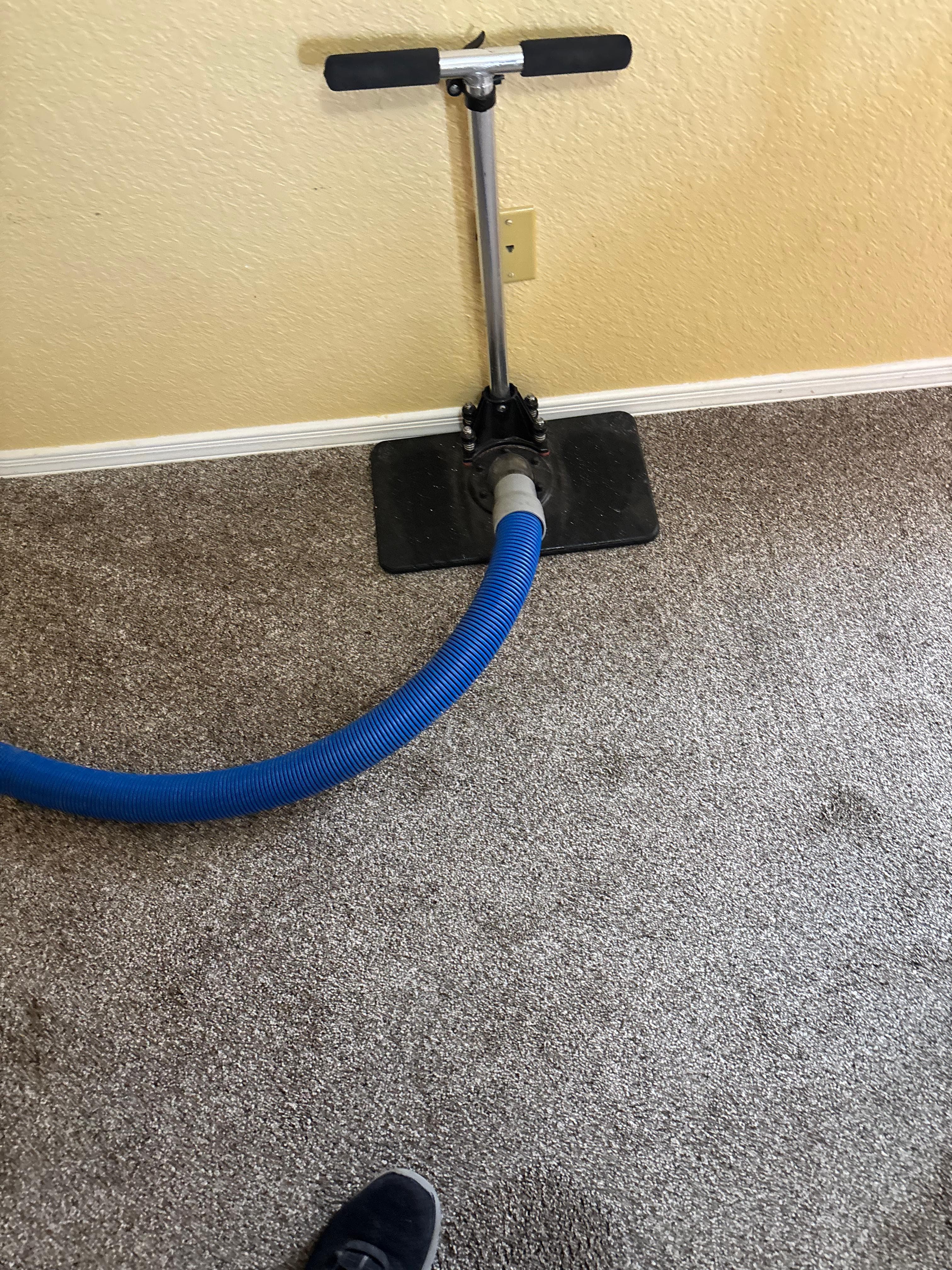
Professional pet urine treatment uses more water volume, stronger extraction, and targeted pre-treatment designed to reach further into the carpet system than a surface pass. The goal is to flush and remove the residue in backing and padding, not only the visible fiber surface. Because the odor lives at that depth, reaching it there is what removes it at the source, so it does not come back the way it does after a surface pass. Aggie treats pet urine where it actually soaked in rather than masking the fiber face, and reviews how deeply the urine traveled and how many accidents occurred in the same area so the approach matches what the carpet shows.
Does the Las Cruces climate affect how pet urine odor behaves?
Las Cruces has a largely dry climate for much of the year, and in dry conditions dormant urine residue may produce less noticeable odor. The humidity variable in Las Cruces often comes from evaporative coolers, commonly called swamp coolers, which add moisture to indoor air during summer months. A home that has been dry through winter and spring and then begins running a swamp cooler can find that pet urine odor returns in areas that were not noticeably problematic before. This is not a new problem appearing. It is existing residue that was dormant in dry air becoming active again as indoor humidity rises.
Related services
Related cleaning services
Understanding why pet urine odor returns connects directly to how professional treatment approaches the carpet system below the surface. Aggie Carpet and Tile Cleaning provides pet urine removal and carpet cleaning in Las Cruces for homes and rentals.
Questions
Common questions about this topic
Why does pet urine odor get worse on humid days even in a room that was cleaned?
Dried urine residue in carpet padding and backing contains salts and crystals that release odor when moisture contacts them. In dry conditions these residues may not produce much smell. When humidity rises, from weather, a swamp cooler, or mopping nearby, the residue reactivates. The cleaning addressed the surface, but if the residue below was not fully reached, the odor returns with moisture.
How does odor coming from carpet padding behave differently from odor at the surface?
Surface odor comes from residue on the carpet fiber itself and can often be reduced with a thorough surface treatment. Odor coming from inside the padding is deeper in the carpet system and cannot be reached by a surface pass. The two smell similar but behave differently over time. Surface odor tends to diminish consistently after cleaning. Padding odor returns when a surface pass leaves it untouched, which is why it has to be treated at that depth. When the padding is reached and the urine is removed at the source, the odor does not come back when humidity rises.
Can repeated surface cleaning make a deep pet urine problem harder to address over time?
Repeated surface cleaning can move odor temporarily without addressing the source below, and over time can introduce moisture that rewets dried residue and pushes it further into the padding. This does not mean surface cleaning is harmful, but it does help explain why some long-standing spots seem harder to resolve with each attempt. What has already been applied to the area is relevant when scheduling a professional review.
Does using an evaporative cooler or swamp cooler affect pet urine odor indoors?
Yes. Evaporative coolers add humidity to indoor air, and that humidity can reactivate dried urine residue in carpet padding or backing. Homes in Las Cruces that run evaporative coolers during summer often notice pet urine odor returning in areas that were less noticeable during drier months. The cooler did not cause the odor. It revealed residue that was already there.
Why does pet urine odor sometimes disappear for months and then return without a new accident?
When humidity is low, dried urine crystals in padding may not produce detectable odor. As humidity rises with seasonal changes, new weather patterns, or changes in how a home is ventilated, the same residue releases odor again. The odor returning does not mean the carpet was not cleaned. It means the residue below the surface was not fully addressed and is responding to a change in moisture conditions.
Keep reading
Related articles
More cleaning guides connected to this topic.
How to Get Dog or Cat Urine Smell Out of Carpet
Why surface cleaning leaves pet urine odor behind and what reaches the source.
Read the guideHow Much Does Carpet Cleaning Cost in Las Cruces?
A straight look at what carpet cleaning costs in Las Cruces and what changes the price.
Read the guideHow Long Does Carpet Take to Dry After Cleaning?
What affects carpet drying time after cleaning and how to help rooms dry.
Read the guide