Before & After
Pet Urine Removal
Drag to compare
Before
After
Pet Odor Treatment Results
Compare visible pet spots and high-use areas with a cleaner surface plan.
Pet odor and urine treatment
Aggie Carpet and Tile Cleaning removes pet urine odor at the source for Las Cruces homeowners, renters, and pet households, so it does not come back. Pet urine soaks past the carpet surface into the backing, padding, and below, which is why a surface cleaning lets the smell return. Aggie treats the urine where it actually lives in carpet, rugs, and furniture and removes it with the right process and equipment. The plan still depends on how deep the urine reached and how long it sat, so Aggie reviews the affected surfaces first.
See the Difference
Pet Urine Removal
 5-Star Rated on GoogleLocal carpet, tile, rug, and furniture cleaning
 2025 Neighborhood FaveRecognized by Nextdoor neighbors
Quick answer
Real Aggie work
A look at real Aggie cleaning jobs in and around Las Cruces.
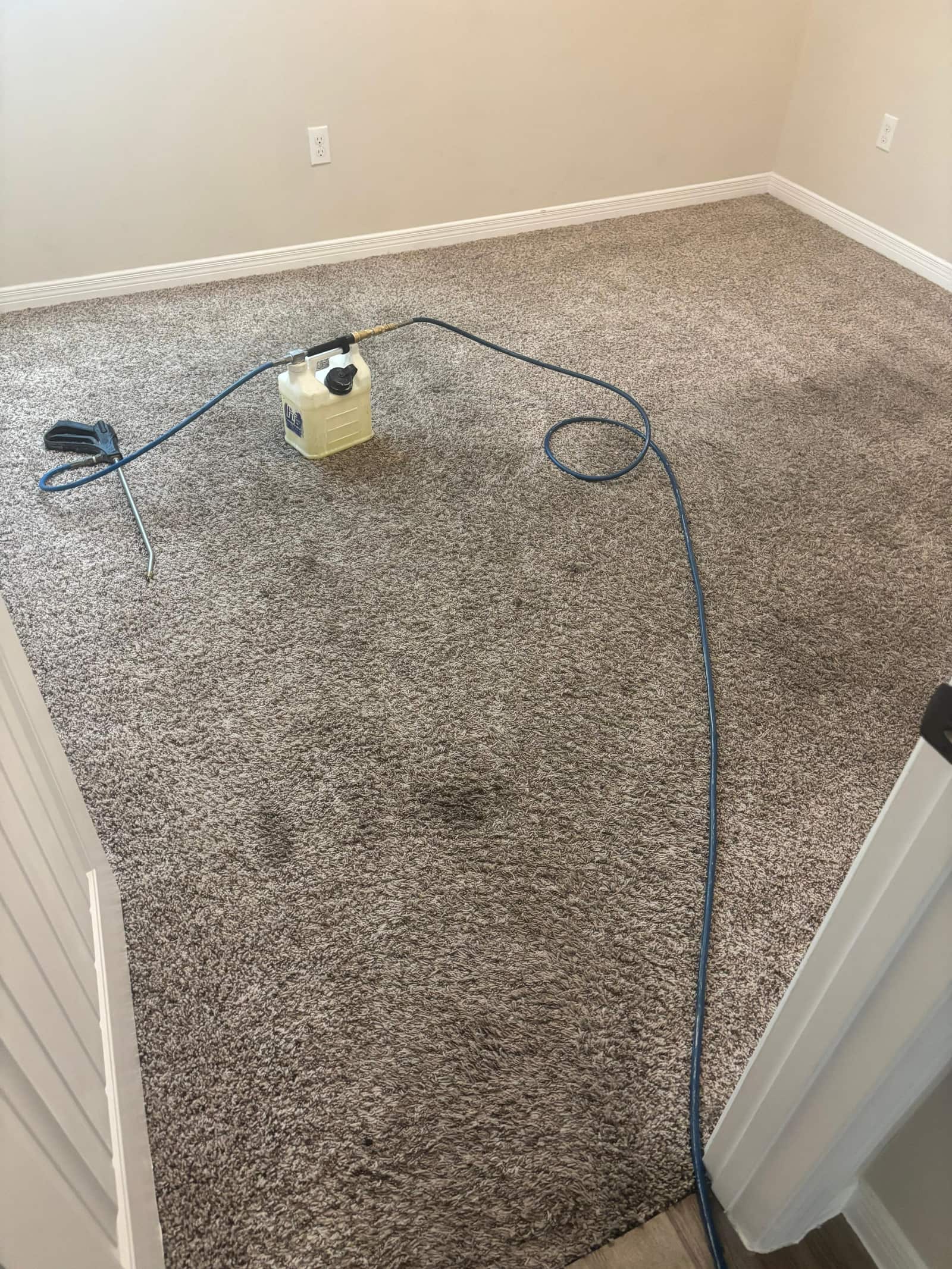
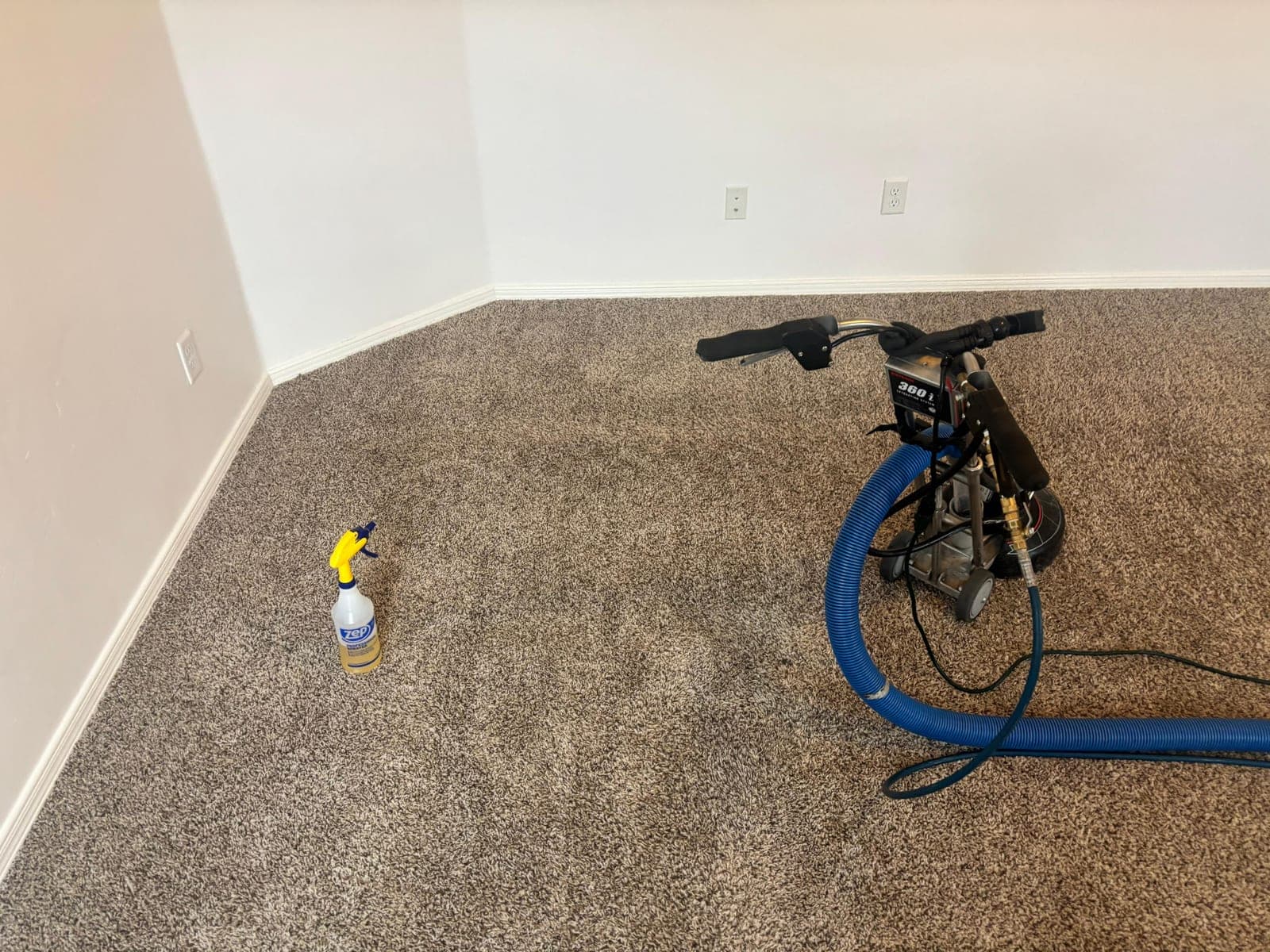
Before & After
Pet urine odor stays gone when it is removed at the source, which is the approach Aggie takes instead of a surface pass. Depth, material, and prior product history shape the treatment plan, so Aggie reviews the affected areas and explains the approach before work begins. Reaching the urine where it soaked in, including backing and padding, is what keeps the odor from returning.
Before & After
Pet Urine Removal
Compare visible pet spots and high-use areas with a cleaner surface plan.
Visual result sections help homeowners understand the kind of surface improvement to look for after a professional cleaning.
Who we serve
This page covers pet urine treatment for Las Cruces homeowners, renters, and multi-pet households. Whether the concern is a single accident on carpet, repeat spots in the same area, odor returning after prior cleaning attempts, or rental and move-out situations with unknown pet history, the affected surfaces are reviewed before treatment begins.
Pet urine treatment for Las Cruces rentals and pet-friendly commercial spaces is on this page. Property managers handling pet move-outs and rental unit turnovers are the most common commercial situation. Keep in mind that pet urine concerns in rental units can involve unknown accident history and multiple affected areas.
Why it happens
The visible stain on carpet or rug surface is usually smaller than the actual affected area below it. Urine spreads outward and downward when it soaks in, and it can reach backing and padding in repeated or severe cases. Aggie treats the full affected area at that depth rather than the surface footprint, which is why the odor is removed at the source instead of returning after a surface pass.
What the pros know
The visible stain on carpet or rug surface is usually smaller than the affected area below it. Urine spreads outward and downward when it soaks in, and what shows on the fiber face may cover a smaller footprint than what reached backing and padding. Reviewing the full extent of the affected area before treating is part of setting honest expectations.
Pet urine does not dry as a stain. It dries as mineral crystals embedded in carpet fibers and backing. Those crystals may not smell strongly at room temperature, but when they absorb moisture from humidity, warm air, or water from cleaning, they reactivate and the odor returns. That is why pet odor comes back after a surface cleaning that seemed to work, and it is why Aggie treats the urine at that depth and removes it at the source so the smell does not return.
Pets tend to return to the same spots because trace scent remains in the area even when humans cannot detect it. Each additional accident in the same location adds a new layer to what is already in the fibers and backing. A carpet with repeated accidents in the same zone is a different situation from one that had a single incident, and expectations should reflect that difference.
Old set-in urine behaves differently from a fresh accident. Fresh urine is still a liquid that can be extracted before it fully absorbs. Urine that has dried and crystalized may not respond to the same approach. Products designed for fresh accidents can behave differently on old set-in stains, and multiple products layered over the same spot over time can make future treatment harder.
Store-bought enzyme products work by breaking down urine organically, but they need enough moisture, dwell time, and the right conditions to be effective. They should not be mixed with deodorizers or other cleaning products because that can interfere with how the enzyme works. Reviewing what was applied before service is part of the professional process, because product history affects how the area responds.
As a treated area dries, a temporary change in how the carpet smells is normal. Moisture moving through the fibers during drying is part of the process, and the area typically stabilizes as it dries fully. Aggie can discuss what to expect after treatment so the drying period does not cause unnecessary concern.
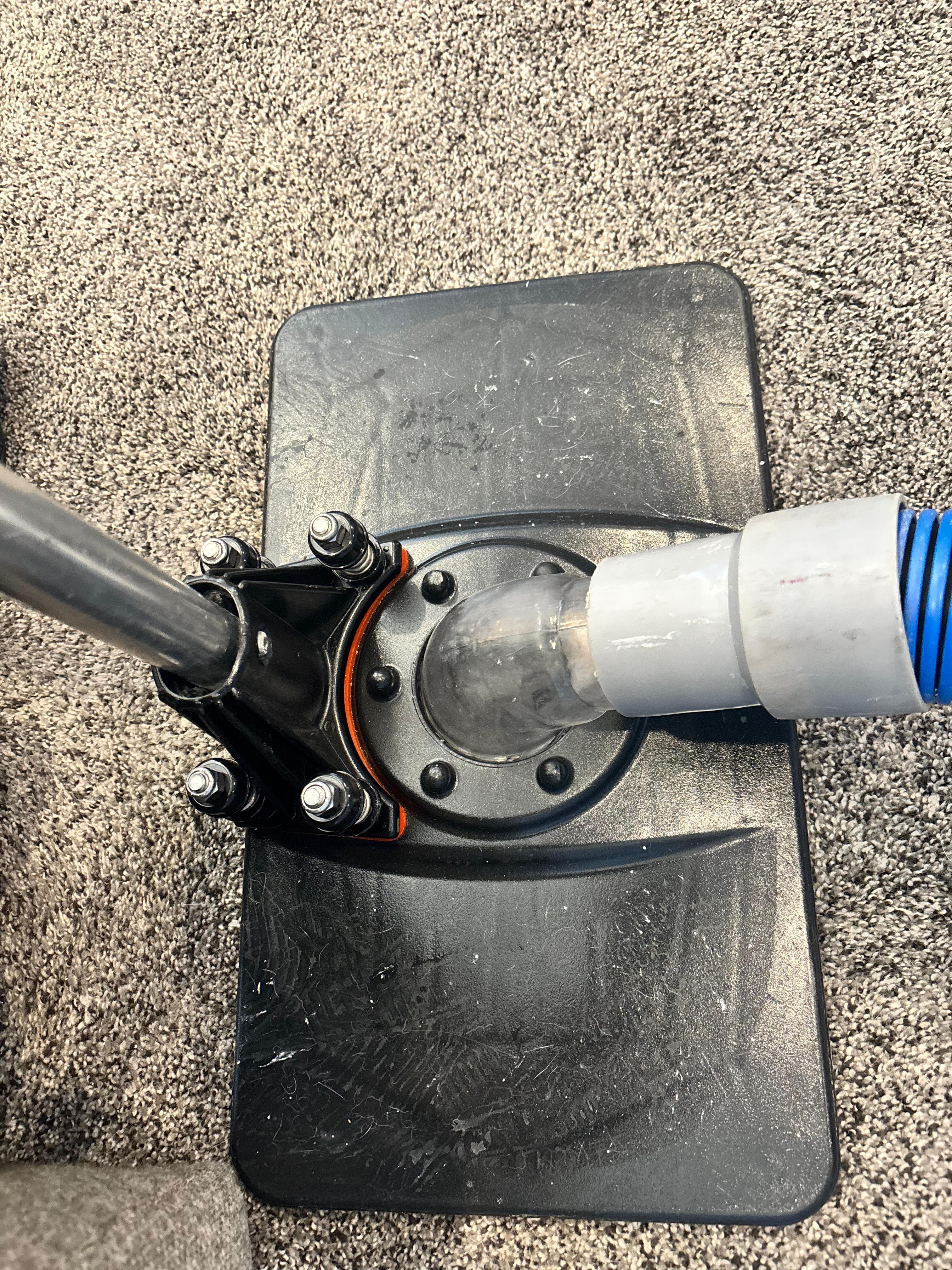
Aggie floods the affected area with a peroxide-based solution that reaches down into the pad to break down the urine and the odor at the source. Then a Water Claw, a tool with strong suction, pulls the solution and the broken-down urine back out of the pad. This treats the source, not just the carpet surface.
Process
Pet urine treatment starts with reviewing the affected areas, discussing how long the issue has been present, how many pets and accidents are involved, and what has already been applied to the spots. The review helps set realistic expectations before cleaning begins, because depth, age, and prior products all affect the outcome.
Identify affected surfaces and discuss how long the odor or stains have been present and whether accidents have repeated in the same areas.
Review what products have been applied to the affected areas before service, because previous treatments affect how the area responds.
Assess the extent of each affected area and discuss what depth the urine may have reached, including whether padding may be involved.
Clean and treat the affected areas at depth in carpet, rugs, or upholstery, reaching the urine in the backing and padding rather than only the fiber surface.
Review results after treatment and confirm the odor was removed at the source. In rare cases of extreme structural saturation, explain what the area shows and the right next step.
Service coverage
These terms cover pet urine odor and staining in carpet, rugs, and upholstered furniture. Treatment approach depends on the surface type, material, depth of penetration, and how long the issue has been present.
Pet odor that returns after prior cleaning attempts usually means reactivation of dried urine residue below the surface. A review of the affected areas helps identify what depth the issue may have reached before treatment expectations are set.
Pet urine in rental carpet and rugs can involve unknown accident history and multiple affected areas. Move-out situations should be reviewed by surface count, depth, and timeline before expectations are set.
Compare settings
| Cleaning need | Home setting | Business setting | How Aggie handles it |
|---|---|---|---|
| Extent of affected area | Single-pet households may have isolated accidents in specific rooms. The affected area below the visible stain can extend further than what is visible from above. | Rental units with multiple prior tenants and pets may have several affected areas from different animals and time periods, some of which may not be visible until reviewed. | The affected areas are reviewed before treatment begins. Depth, spread, and history are discussed so expectations reflect what is actually reachable. |
| Old vs. fresh accidents | Home situations often involve both fresh and set-in accidents from over months or years. Old set-in accidents respond differently from fresh ones. | Rental units may have unknown pet accident history with no clear timeline. Set-in and layered accidents in the same zones are common. | Age of the issue is part of the review. Old and set-in accidents are flagged because they affect expectations before treatment begins. |
| Repeat spots in the same area | Pets often return to the same spots because residual scent draws them back. Repeat spots accumulate in layers that are harder to address than a single incident. | Rental units with unknown pet history may have spots with many layers from different animals and time periods, which are harder to assess than a recent single incident. | Repeat spots are identified during the review because they change the treatment situation and affect what realistic results look like. |
| Depth of penetration | Severe or repeated accidents can push urine past carpet fibers and backing into padding and, in heavy situations, to the subfloor. | Rental units with long-standing pet use may have penetration into padding that is not visible from surface inspection alone. | If the review suggests the issue may extend beyond the carpet surface, Aggie can discuss what the situation shows and what realistic next steps look like. Padding concerns are assessed, not assumed. |
| Previous cleaning products used | Homeowners often apply store-bought enzyme products, baking soda, vinegar, or steam cleaning before calling. Product history affects how the area responds to professional treatment. | Rental units may have had cleaning products applied by prior tenants or management. What was used is often unknown, which affects how the area can be assessed. | What was applied before service is part of the review. Layered or mismatched products can affect how treatment works, so product history is discussed before cleaning begins. |
| Multiple surfaces affected | Pet urine in a single home may involve carpet, area rugs, and upholstered furniture in separate areas. Each surface needs its own review. | Rental units may need carpet, rugs, and upholstered furniture reviewed for pet concerns at the same time as part of a turnover situation. | Affected surfaces are reviewed one by one based on material and condition. Carpet, rugs, and upholstery each have different considerations for pet urine treatment. |
| Move-out and rental turnover | Renters with pets may need carpet and rugs reviewed before a security deposit return. Visible and non-visible affected areas both matter in this situation. | Property managers may need multiple units reviewed for pet odor between tenants on a recurring schedule. Timeline and access are important in these situations. | Move-out pet urine situations are part of the service. Surface count, depth, timeline, and access should be discussed when requesting a quote. |
Quote factors
Pet urine removal quotes depend on the number of affected areas, estimated size of each area, how deep the urine may have reached, age of the accidents, surface type, and what products were applied before calling. A review of the affected areas helps set realistic expectations before treatment begins.
Related services
Pet urine concerns in Las Cruces often involve carpet as the primary surface, with rugs and furniture also affected in some situations. Aggie Carpet and Tile Cleaning provides carpet cleaning, rug cleaning, and furniture cleaning for Las Cruces homes and rentals alongside pet urine treatment.
Helpful guides
Practical articles that explain what affects this kind of cleaning and what to expect.
Service area
Aggie Carpet and Tile Cleaning provides pet urine removal across Las Cruces, NM, and the nearby El Paso, TX area, with scheduling based in Las Cruces.
Reviews
Recent Google reviews from Las Cruces homes and businesses Aggie has helped.
He scheduled me quickly, arrived on time, and cleaned three rooms efficiently. The house smells amazing and there was no strong chemical odor at all. Very kind, professional, and excellent service.
Aggie Carpet Cleaning saved my couch. With kids and pets it looked like it needed replacing, but they brought it back to life. It looks and smells great, and best of all I did not have to buy a new couch.
Jay was so kind and pleasant. He got right to work and the job looks and smells great. I will recommend Aggie Carpet Cleaning to my friends.
FAQ
Common questions before scheduling.
Pet urine treatment can help reduce odor and visible staining in carpet, rugs, and upholstered furniture caused by pet accidents. Results depend on the surface type, how deep the urine reached, how long it sat, the number of accidents in the same area, and what products were applied before service. Aggie reviews the affected areas before setting expectations.
Pet urine dries as mineral crystals in carpet fibers and backing rather than as a visible liquid stain. Those crystals do not smell strongly at room temperature, but humidity, warmth, or moisture from cleaning reactivates them and the odor returns. That happens when cleaning stops at the surface and leaves the crystals below it. Aggie reaches that depth with deep cleaning and extraction and removes the odor at the source, so it does not come back.
Yes, when it is treated at the source, which is how Aggie approaches it. Because the urine soaks into backing and padding, Aggie cleans and extracts it at that depth rather than masking the surface, so the odor is removed and does not come back. Aggie reviews how deep the urine reached and how long it sat to set the right approach, and in rare cases of extreme structural saturation explains exactly what the area shows.
Fresh urine is still a liquid and can be extracted before it fully soaks into backing and padding. Urine that has dried and crystalized may not respond the same way to treatment because the crystals are embedded in fibers and backing rather than sitting as liquid in the surface. Old set-in accidents and repeat spots in the same area are harder to address than a single fresh incident.
The visible stain on carpet surface is usually smaller than the actual affected area below it. Urine spreads outward and downward when it soaks in. Reviewing the affected areas before treatment begins is part of the service. The review covers what is visible, discusses the pet and accident history, and helps set realistic expectations about what can be reached.
Yes. Urine can pass through carpet fibers and backing into the padding, and in severe or repeated cases it can reach the subfloor. That is exactly why Aggie treats pet urine at that depth with deep cleaning and extraction instead of a surface pass, which is how the odor is removed at the source and does not come back. When a case involves extreme structural saturation, Aggie reviews what the area shows and explains the right approach directly.
Yes. Aggie treats rugs and upholstered furniture for pet urine odor by reaching the urine in the fibers, backing, and cushion rather than the surface, so the odor does not come back. Fabric type, backing, and cushion construction are reviewed first because they affect the cleaning method and the approach Aggie uses. The odor is treated at the source while the method is matched to the material.
Repeat accidents in the same area build up in layers. Each additional accident adds to what is already present in fibers, backing, and padding. When moisture from a cleaning attempt reactivates all the layers at once, the odor can seem stronger than before. Spots with a long history of repeat accidents in the same area need more careful review before expectations are set.
Blotting a fresh accident quickly before it fully soaks in is a reasonable first step. Store-bought products and prior cleaning attempts can change how the carpet responds, so Aggie asks what has already been applied before setting expectations. When multiple products have been used on the same spot, that history is part of the review. If odor has returned after previous attempts, describing what was used helps Aggie understand the situation before starting.
Yes. Pet urine concerns in rental carpets, rugs, and furniture can be reviewed as part of a move-out or turnover situation. Rental units with unknown pet history may have multiple affected areas that are not visible until the carpet is reviewed. The quote depends on the number of affected areas, depth, surface type, and access.
Tell Aggie Carpet and Tile Cleaning where the pet urine issue is, whether odor returns after cleaning, how long the problem has been present, and how many pets and accidents are involved. The team can review the affected carpet, rug, or furniture and discuss a realistic next step based on what the areas show.
Request a quote
Tell Aggie Carpet and Tile Cleaning where the pet urine issue is, whether odor returns after cleaning, how long the problem has been present, and how many pets and accidents are involved. The team can review the affected carpet, rug, or furniture and discuss a realistic next step based on what the areas show.
Satisfaction guarantee
If anything about your cleaning is not right, call us and we will come back to make it right. In rare cases where we cannot fix the issue, you may be eligible for a partial or full refund.