Cleaning Results
Furniture Cleaning
Drag to compare
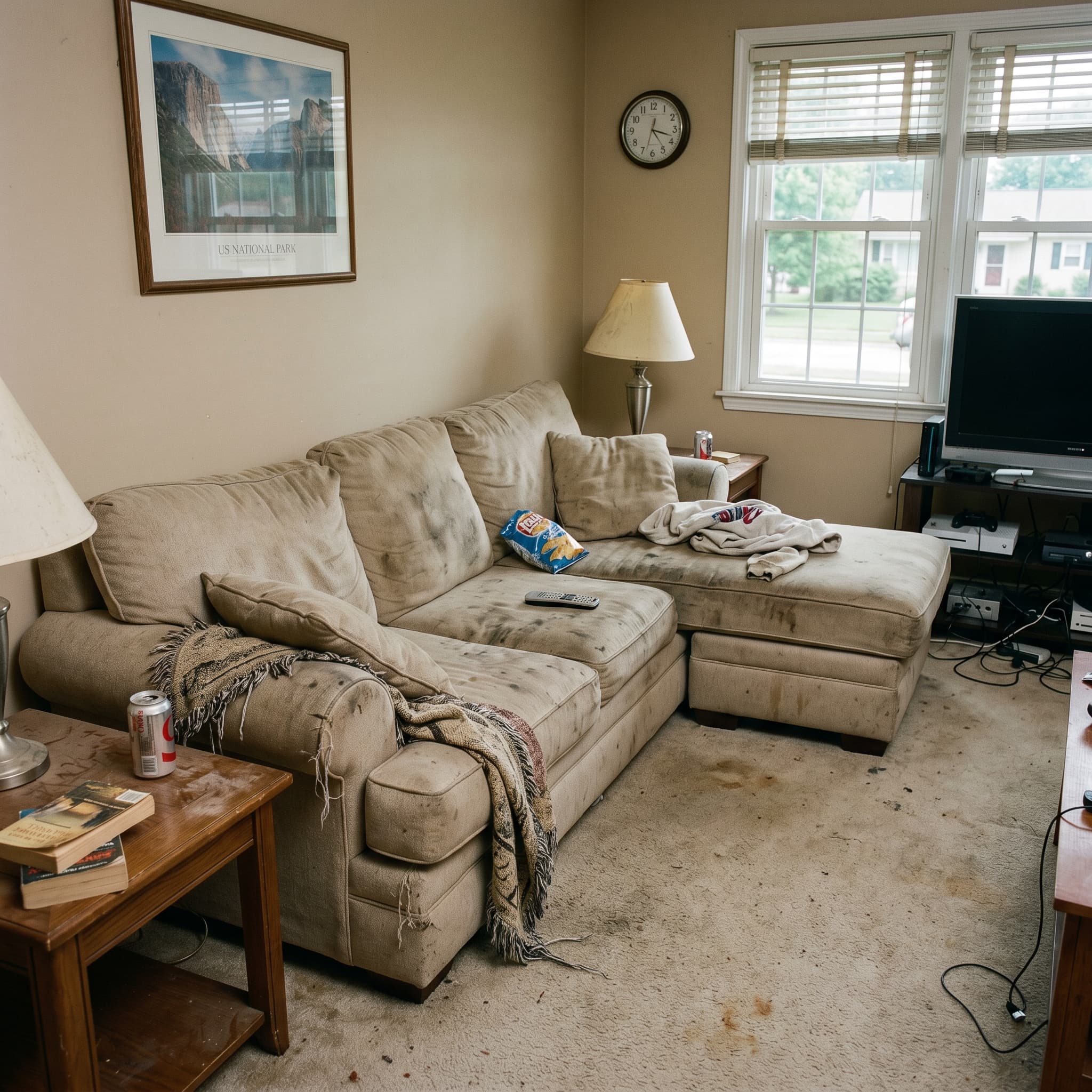
Before
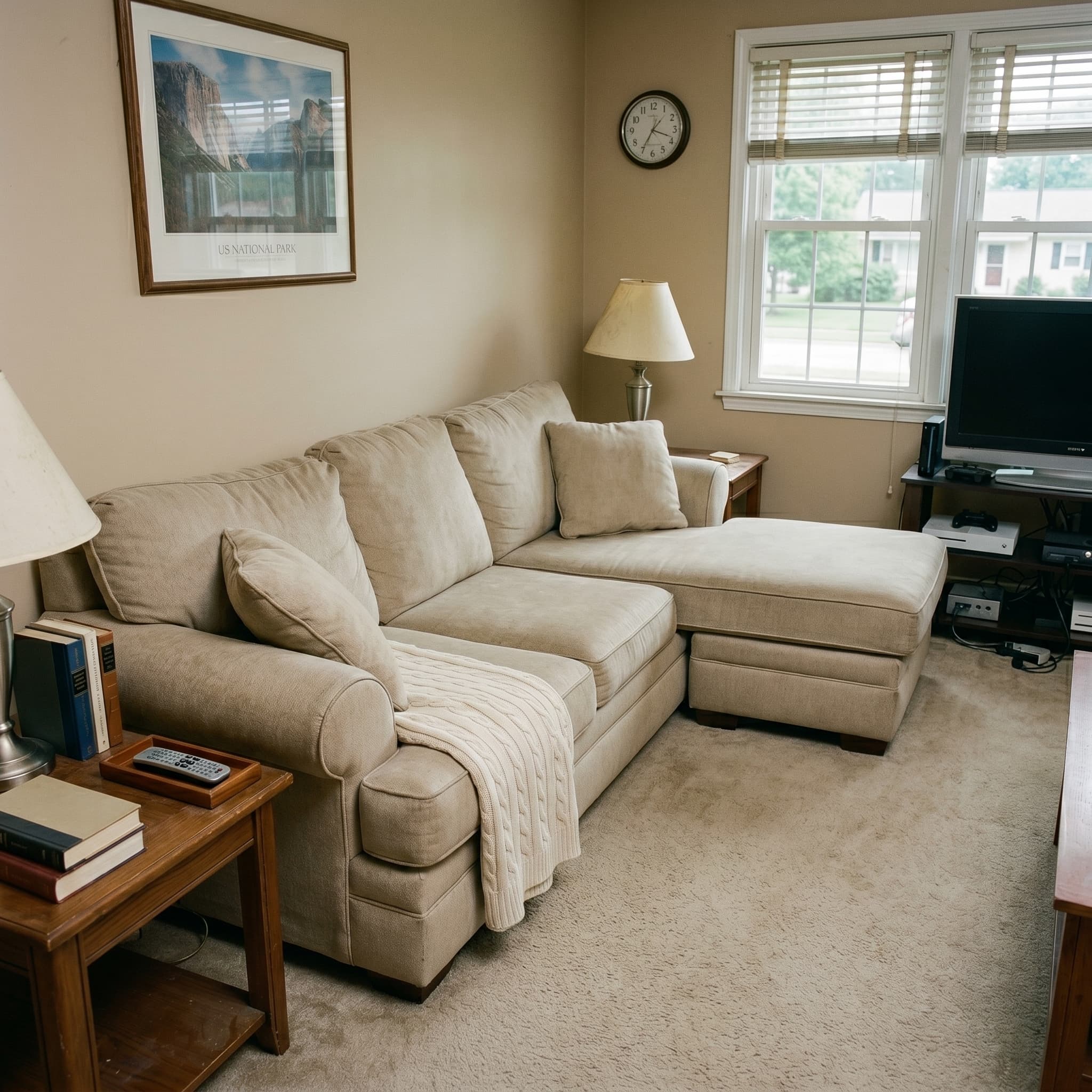
After
Furniture Cleaning Results
Compare high-contact fabric areas with a cleaner upholstery finish.
Upholstery and couch cleaning
Aggie Carpet and Tile Cleaning provides upholstery and couch cleaning for Las Cruces homes and businesses. Sofas, couches, sectionals, chairs, recliners, office seating, and mattresses that collect stains, pet hair, body oils, and daily-use buildup are reviewed before the cleaning plan is set.
See the Difference
Furniture Cleaning
 5-Star Rated on GoogleLocal carpet, tile, rug, and furniture cleaning
 2025 Neighborhood FaveRecognized by Nextdoor neighbors
Quick answer
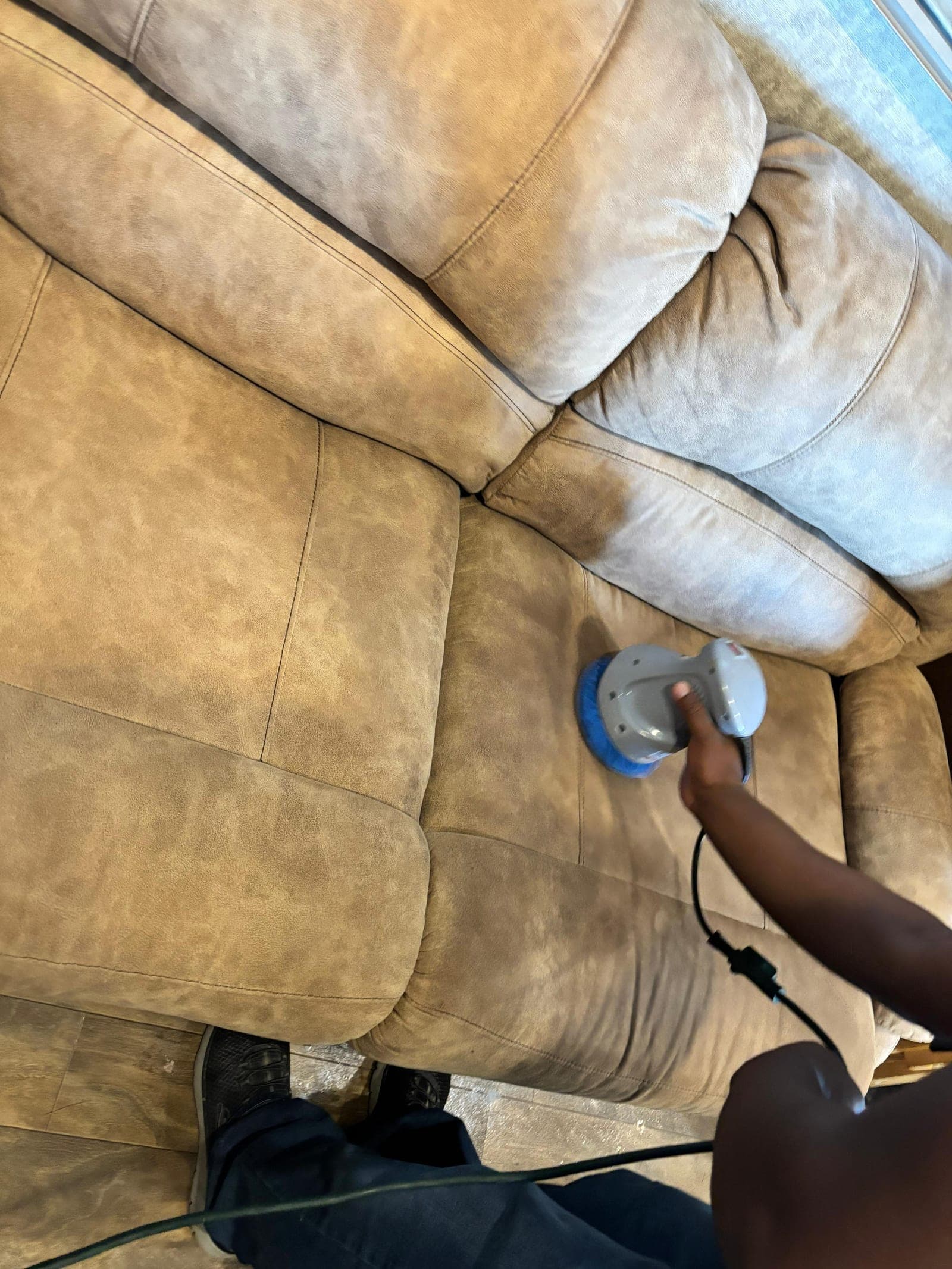
Real Aggie work
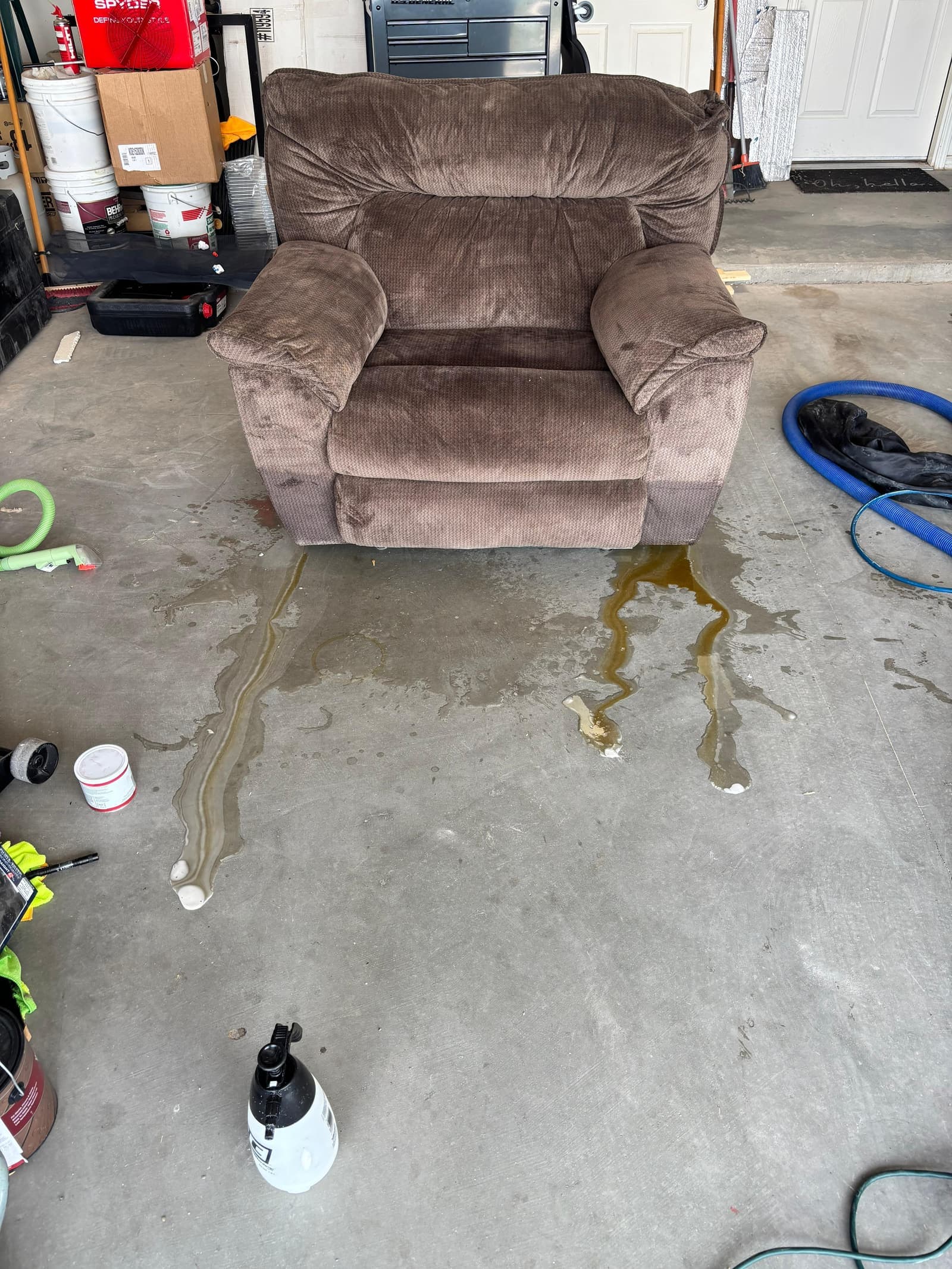
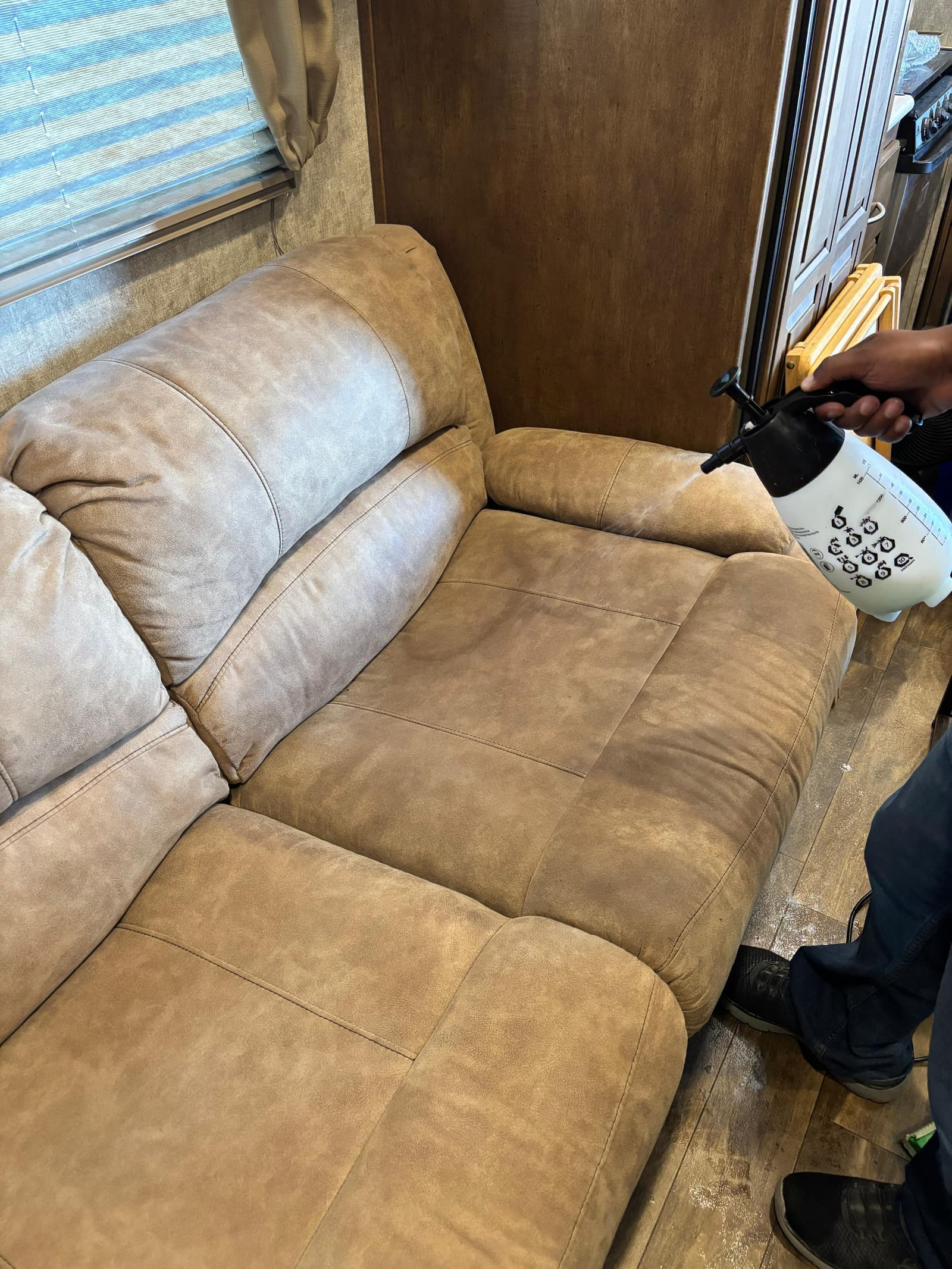
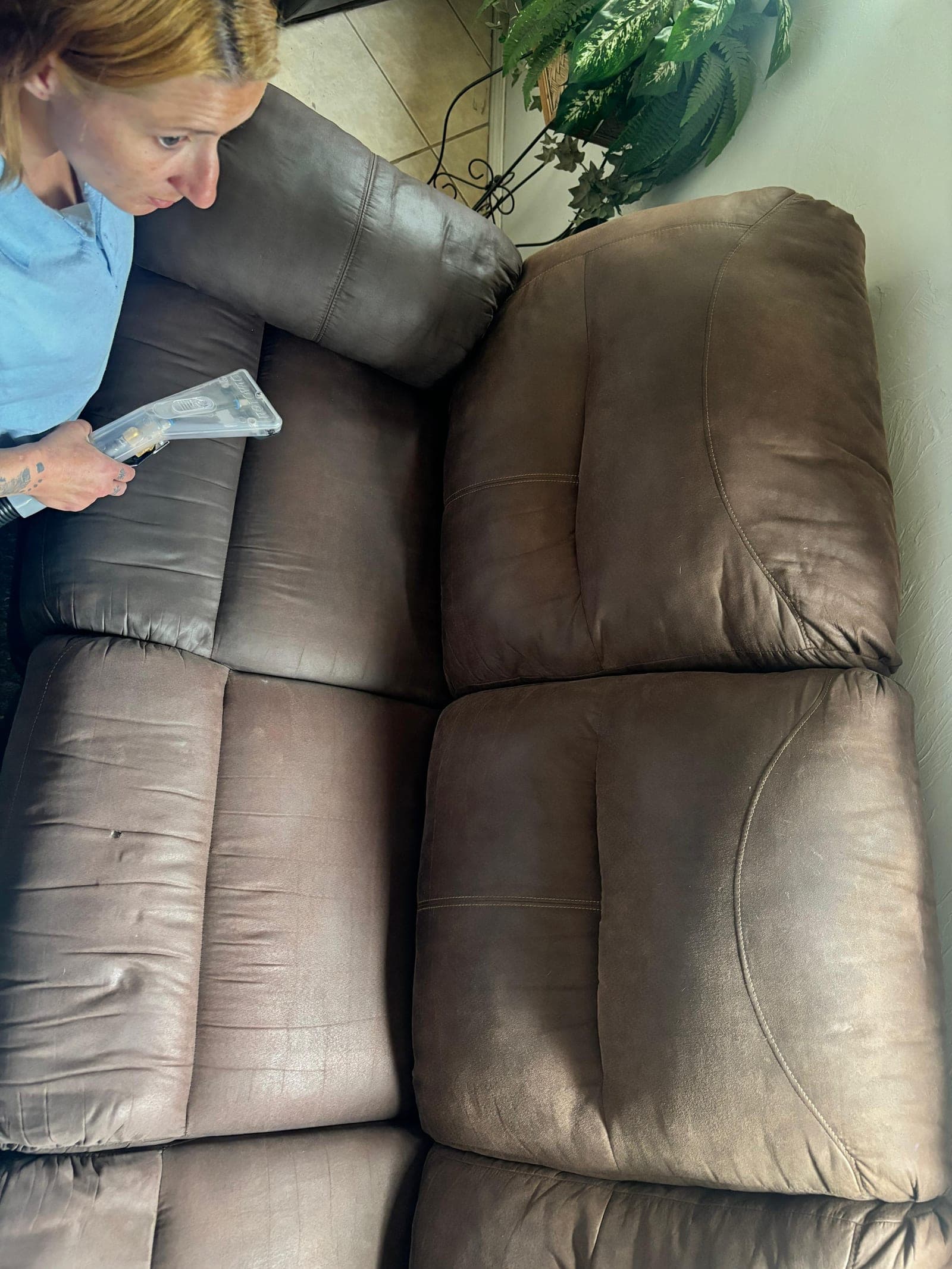
A look at real Aggie cleaning jobs in and around Las Cruces.
Fabric-first approach
One of the most common reasons DIY upholstery cleaning goes wrong is skipping the fabric assessment. Different fabrics behave differently with water, solvent, and heat. A professional review starts by identifying the fabric type, checking for a cleaning code where one exists, and looking at how the furniture is used before any cleaning method is chosen. A method that works on microfiber can cause damage on velvet, and over-wetting foam cushions can create moisture concerns that are harder to resolve than the original stain.
Upholstery cleaning codes on furniture tags tell you whether water-based cleaning, solvent cleaning, or vacuum-only handling is appropriate for that material. Reviewing the code before cleaning helps avoid permanent damage to the fabric.
Armrests, headrests, and cushion fronts receive more concentrated buildup than open fabric panels. Identifying these zones first helps focus pre-treatment where it is needed most.
Foam cushions and padded furniture hold moisture differently than carpet backing. Controlling how much liquid is used and where it is applied helps avoid over-wetting that can lead to secondary problems.
Before & After
Furniture cleaning is most noticeable when dull fabric starts to look and feel fresher. The right approach depends on the material, the amount of use, and whether odor or staining is part of the issue.
Cleaning Results
Furniture Cleaning
Compare high-contact fabric areas with a cleaner upholstery finish.
Visual result sections help homeowners understand the kind of surface improvement to look for after a professional cleaning.
Who we serve
This page covers furniture and upholstery cleaning for Las Cruces homeowners, renters, and families with pets or kids. Whether the concern is a stained sofa, odor in a recliner, pet hair in cushion seams, or daily-use buildup across a sectional, the fabric and condition are reviewed before the cleaning plan is set.
Commercial furniture cleaning for Las Cruces offices, waiting rooms, and customer-facing seating fits on this page. Office chairs, reception sofas, and lobby seating collect buildup from multiple daily users and may need a different cleaning plan than home furniture.
Why it happens
Body oils on armrests and headrests, food spills, drink spills, pet hair in seams, pet odor in fabric, dust, dander, sweat, and daily-use buildup can collect gradually. Furniture can look fine at first glance while the high-contact zones feel dusty or stale. Mattresses and fabric furniture need careful attention because surface buildup, spot cleaning products, and moisture can all affect what the cleaning plan should look like.
What the pros know
A couch can look mostly clean from across the room but still hold oils and dust where people touch it most. Armrests, cushion fronts, and headrest areas often need more attention than flat open fabric areas because they collect repeated contact buildup that woven texture holds in place.
Sofas and chairs usually show buildup first on armrests, headrests, cushion fronts, and favorite sitting spots. These are the zones where body oils, sweat, dust, and pet hair accumulate before the rest of the piece shows visible wear. A good cleaning plan starts there.
Spot cleaning furniture can sometimes leave rings or uneven patches when too much moisture or the wrong product is used on the fabric. A professional cleaning plan starts by looking at fabric type and the source of the stain before deciding how aggressive the cleaning should be.
Pet odor in furniture can behave differently than carpet odor because cushions, seams, and fabric texture can hold buildup in several layers. The fabric and cushion construction should be reviewed before deciding how much moisture or treatment the piece can reasonably handle.
Furniture cleaning is not just about wetting the fabric and extracting it. The order matters because dry soil, pet hair, body oils, stains, and fabric type all affect how the cleaning should be approached before moisture or cleaning chemistry is added.
Most upholstered furniture has a cleaning code tag on the cushion or frame: W means water-based cleaning is appropriate, S means solvent-only, WS means either can work carefully in small amounts, and X means no liquids at all. Using the wrong method for the code can cause shrinkage, water marks, or color change. Checking the code before starting is one of the steps that separates a professional furniture review from a DIY attempt.
Process
A good furniture cleaning result starts with understanding the fabric, the stain source, and the areas that get the most daily contact. Aggie Carpet and Tile Cleaning reviews the furniture condition, treats problem areas carefully, and uses a cleaning approach matched to the fabric and buildup before any moisture or chemistry is applied.
Check fabric type, cleaning code, high-contact areas, stains, pet hair, odor concerns, and previous cleaning attempts before starting.
Remove loose debris, dust, and pet hair where possible before applying moisture or cleaning chemistry.
Apply cleaning chemistry carefully to body oil areas, spills, stains, and odor-prone spots based on the fabric type and issue.
Clean the upholstery using a method matched to the furniture type and fabric condition, not a generic carpet pass.
Review remaining stains or odor concerns carefully. Results depend on fabric type, stain depth, age, and previous products used.
Provide drying guidance based on the furniture condition without promising a specific drying window.
Service coverage
These terms cover daily-use seating and fabric surfaces that collect oils, dust, stains, pet hair, and odor over time. The method depends on the fabric, furniture type, and problem areas.
Stain and odor work on furniture should start with the fabric, the source of the issue, and any products used before service. Results depend on the fabric type, stain age, depth, and what has already been applied.
Pet issues on furniture can sit in fabric texture, seams, cushion edges, and padding. They need more careful review than surface hair removal alone, because odor and stain sources often go deeper than what is visible.
Mattresses should be reviewed carefully because surface fabric, moisture, odor, and stain history all affect the cleaning plan. Mattress cleaning is handled as a fabric concern, not a carpet cleaning pass.
Compare settings
| Cleaning need | Home setting | Business setting | How Aggie handles it |
|---|---|---|---|
| High-contact zones | Armrests, headrests, and cushion fronts on daily-use family seating collect the most skin oil, dust, and pet contact. | Reception chairs and lobby sofas where multiple people sit in the same spot throughout the day build up faster than home seating. | Pre-treatment focused on body oil areas and high-contact zones before the broader upholstery cleaning pass. |
| Fabric variety | Microfiber, cotton, velvet, and linen across living rooms, bedrooms, and dining areas each respond differently to cleaning. | Commercial-grade fabric on office chairs and reception seating is often polyester or blended and can tolerate more frequent attention. | Fabric type and cleaning code are reviewed before the cleaning method is chosen, not after. |
| Odor sources | Pet activity, food, body odor, and fabric buildup in daily-use seating are the most common residential odor sources. | Food in break rooms, use by multiple people, and occasional pet-friendly policies are common commercial odor sources. | Odor concerns are reviewed by source, fabric type, cushion construction, and depth before expectations are set. |
| Stain treatment | Food spills, drinks, and pet accidents on sofas and dining chairs are the most common residential stain types. | Coffee, ink, and food near desks and in break rooms are typical commercial stain sources. | Stain approach is matched to the fabric type, stain age, and whether previous cleaning products were already used. |
| Scheduling and access | Residential visits are scheduled around family routines, and furniture may need to be cleared of cushions or moved slightly. | Off-hours or early-morning scheduling can reduce disruption for offices and reception areas that need quick turnaround. | Scheduling is confirmed based on access, piece count, and whether a home or business property is involved. |
| Mattress and cushion needs | Master bedrooms, guest rooms, and rental units may need mattress cleaning for surface stains or odor concerns. | Property managers handling furnished rentals or furnished units may need mattress cleaning between tenants. | Mattress cleaning is reviewed carefully by fabric, moisture level, stain source, and odor depth before service. |
| Move-out cleaning | Renters and homeowners may need furniture cleaned before returning or listing a property with upholstered pieces inside. | Property managers and commercial tenants clearing furnished spaces need consistent results between occupancies. | Move-out furniture cleaning is reviewed by piece count, condition, and timeline before quoting. |
Quote factors
Furniture quotes depend on the number of pieces, fabric type and condition, stain severity, pet hair or odor concerns, and access. A sectional, sofa, recliner, or set of office chairs may each need a different amount of time and care based on what is actually found during the review. Start with an online price and book from there. The final figure is confirmed once Aggie sees the pieces in person.
Related services
Some furniture concerns overlap with carpets, rugs, pet-related odor and stain work, tile, and moisture issues. The pages below cover each of those, so the right starting point depends on where the problem actually sits.
Helpful guides
Practical articles that explain what affects this kind of cleaning and what to expect.
Service area
Aggie Carpet and Tile Cleaning provides furniture cleaning across Las Cruces, NM, and the nearby El Paso, TX area, with scheduling based in Las Cruces.
Reviews
Recent Google reviews from Las Cruces homes and businesses Aggie has helped.
A wonderful young man came to clean my rug carpets and sofa. He did a fantastic job! Not only are they clean, they look brand new. He was easy to work with, right on time, and a really nice guy overall. Would definitely recommend.
Aggie Carpet Cleaning saved my couch. With kids and pets it looked like it needed replacing, but they brought it back to life. It looks and smells great, and best of all I did not have to buy a new couch.
FAQ
Common questions before scheduling.
Professional furniture cleaning helps remove dust, body oils, pet hair, stains, odor-causing buildup, food residue, and daily-use soil from upholstered furniture. Results depend on the fabric type, how the furniture is used, the age of the buildup, and whether previous products were used on stains or odor areas.
Furniture cleaning is the customer-friendly term, while upholstery cleaning usually refers to cleaning the fabric covering of furniture pieces. For Aggie Carpet and Tile Cleaning, this can include sofas, couches, chairs, recliners, sectionals, office chairs, dining chairs, and similar upholstered surfaces in Las Cruces homes and properties.
Yes. Sofa cleaning, couch cleaning, sectional cleaning, and recliner cleaning are core furniture cleaning needs. The process focuses on fabric condition, high-contact areas, stains, pet hair, odor concerns, armrests, headrests, and seat cushions. The cleaning approach depends on the fabric and the problems found during the review.
Professional cleaning can help remove pet hair from furniture, especially when hair is sitting in seams, cushion edges, and fabric texture. Heavy pet hair buildup may need careful dry removal before moisture or cleaning chemistry is used, and some fabric types hold hair more tightly than others.
Furniture cleaning can help with pet odor when odor-causing buildup is reachable in the fabric or high-contact areas. Pet odor treatment depends on the source, depth, fabric, cushion construction, and previous cleaning products used. Deeper pet accident concerns should be reviewed before expectations are set.
No cleaning company should promise every upholstery stain will come out. Stain results depend on fabric type, stain age, stain source, dye stability, moisture, depth, and previous cleaning attempts. Aggie Carpet and Tile Cleaning reviews stain concerns carefully so the plan and expectations match the furniture condition.
Yes, mattress cleaning can be discussed for surface stains, odor concerns, and fabric condition. Mattress cleaning should be handled carefully because the material, moisture level, stain source, and depth all affect the next step. It should not be treated exactly like carpet cleaning.
Store-bought cleaners can sometimes leave residue, discoloration, water rings, or uneven patches on upholstery. A product that seems harmless on one fabric may react differently on another. The safer first step is identifying the fabric type and stain source before choosing how aggressive cleaning should be.
Yes. Office chair cleaning and commercial seating cleaning can be discussed based on fabric type, soil level, and access. Reception sofas, waiting-room chairs, and lobby seating collect buildup from multiple daily users and can benefit from the same fabric-first review as residential furniture.
Many upholstered pieces have a tag indicating the recommended cleaning method: W means water-based cleaning is appropriate, S means solvent-only, WS means either can work carefully, and X means no liquids. Using the wrong method for a fabric code can cause shrinkage, water marks, or discoloration. Reviewing the code is one of the first steps in a professional furniture assessment.
Tell Aggie Carpet and Tile Cleaning what kind of furniture you need cleaned, what the fabric looks like, and whether stains, pet hair, odor, or daily-use buildup are the main concern. The team can help you choose the right next step for sofas, couches, chairs, recliners, sectionals, mattresses, and fabric furniture.
Request a quote
Tell Aggie Carpet and Tile Cleaning what kind of furniture you need cleaned, what the fabric looks like, and whether stains, pet hair, odor, or daily-use buildup are the main concern. The team can help you choose the right next step for sofas, couches, chairs, recliners, sectionals, mattresses, and fabric furniture.
Satisfaction guarantee
If anything about your cleaning is not right, call us and we will come back to make it right. In rare cases where we cannot fix the issue, you may be eligible for a partial or full refund.