See the Difference
Water Damage Restoration
Drag to compare
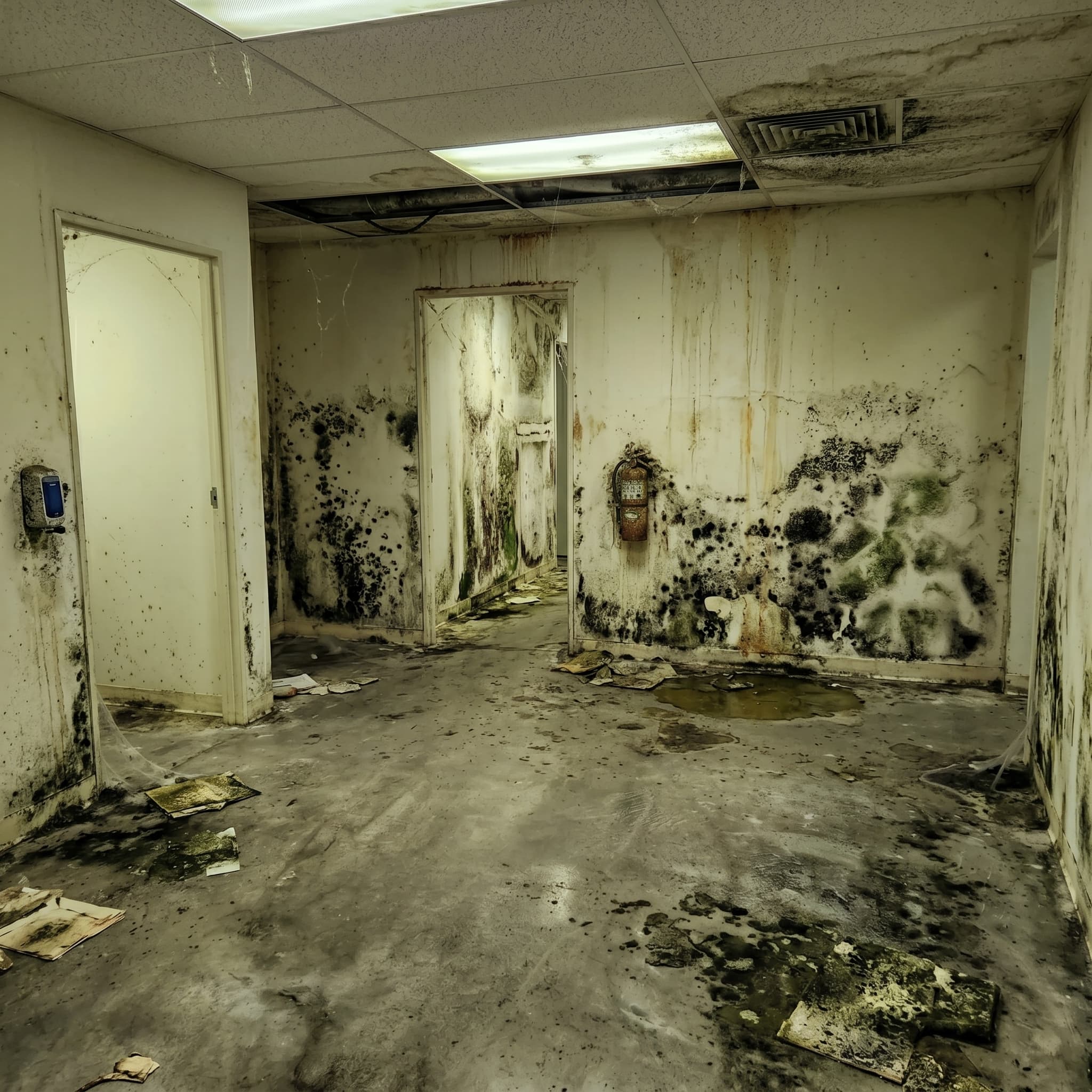
Before
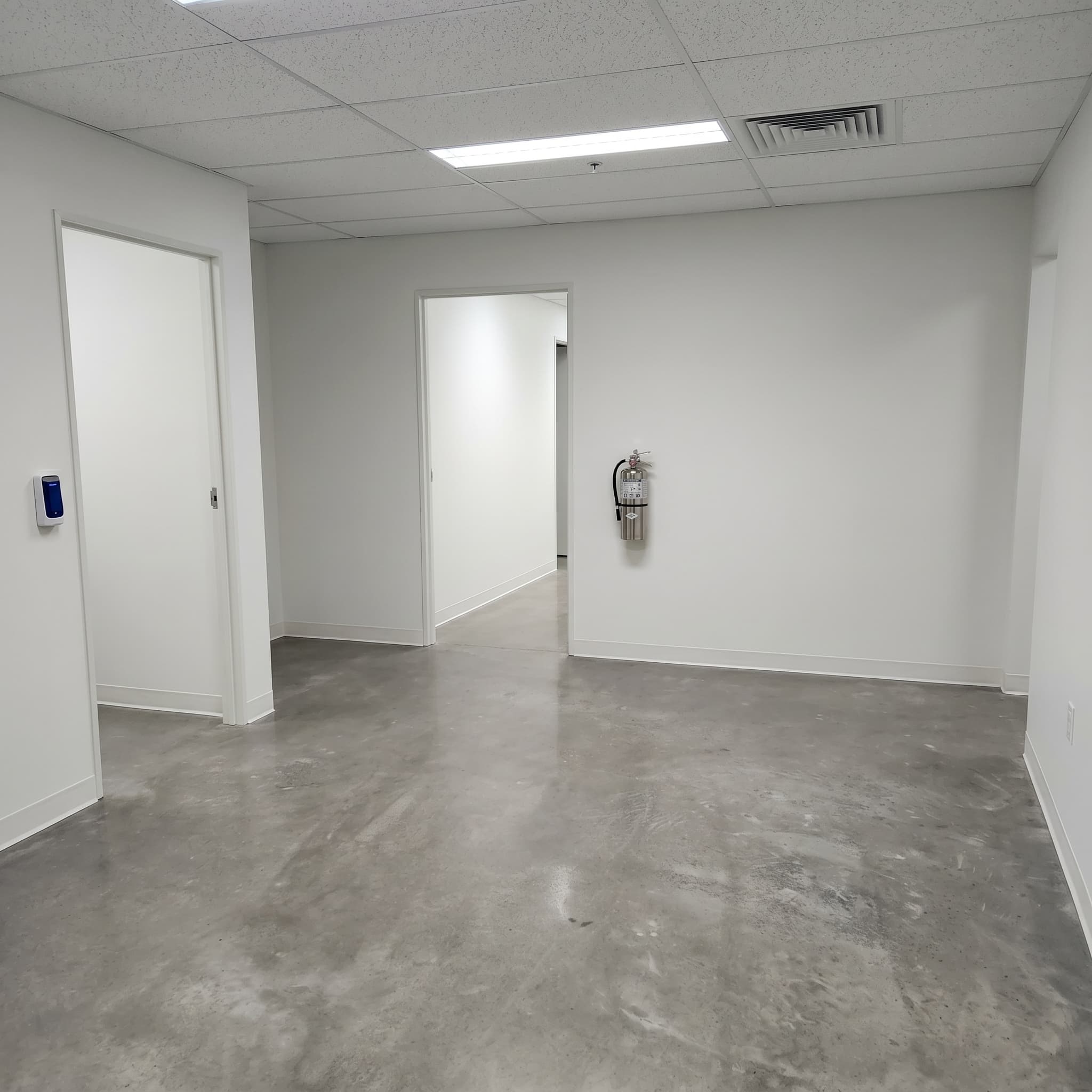
After
Water Damage Restoration Results
Compare water-affected carpet or flooring with a room after extraction, drying, and cleanup.
Water damage restoration in Las Cruces
When carpet or flooring gets wet in Las Cruces, timing is the most important factor. Aggie Carpet and Tile Cleaning provides water damage restoration for homes and businesses across Las Cruces, including water extraction, wet carpet and structural drying, flood cleanup, and a cleaning and sanitizing treatment for affected carpet and flooring. Mold concerns are assessed and referred to a certified remediation specialist when that is what the situation needs. For standing water or storm flooding, the first call is emergency water extraction, and Aggie aims to arrive within 30 minutes in Las Cruces. Reach us 24 hours.
See the Difference
Water Damage Restoration
 5-Star Rated on GoogleLocal carpet, tile, rug, and furniture cleaning
 2025 Neighborhood FaveRecognized by Nextdoor neighbors
Quick answer
Real Aggie work
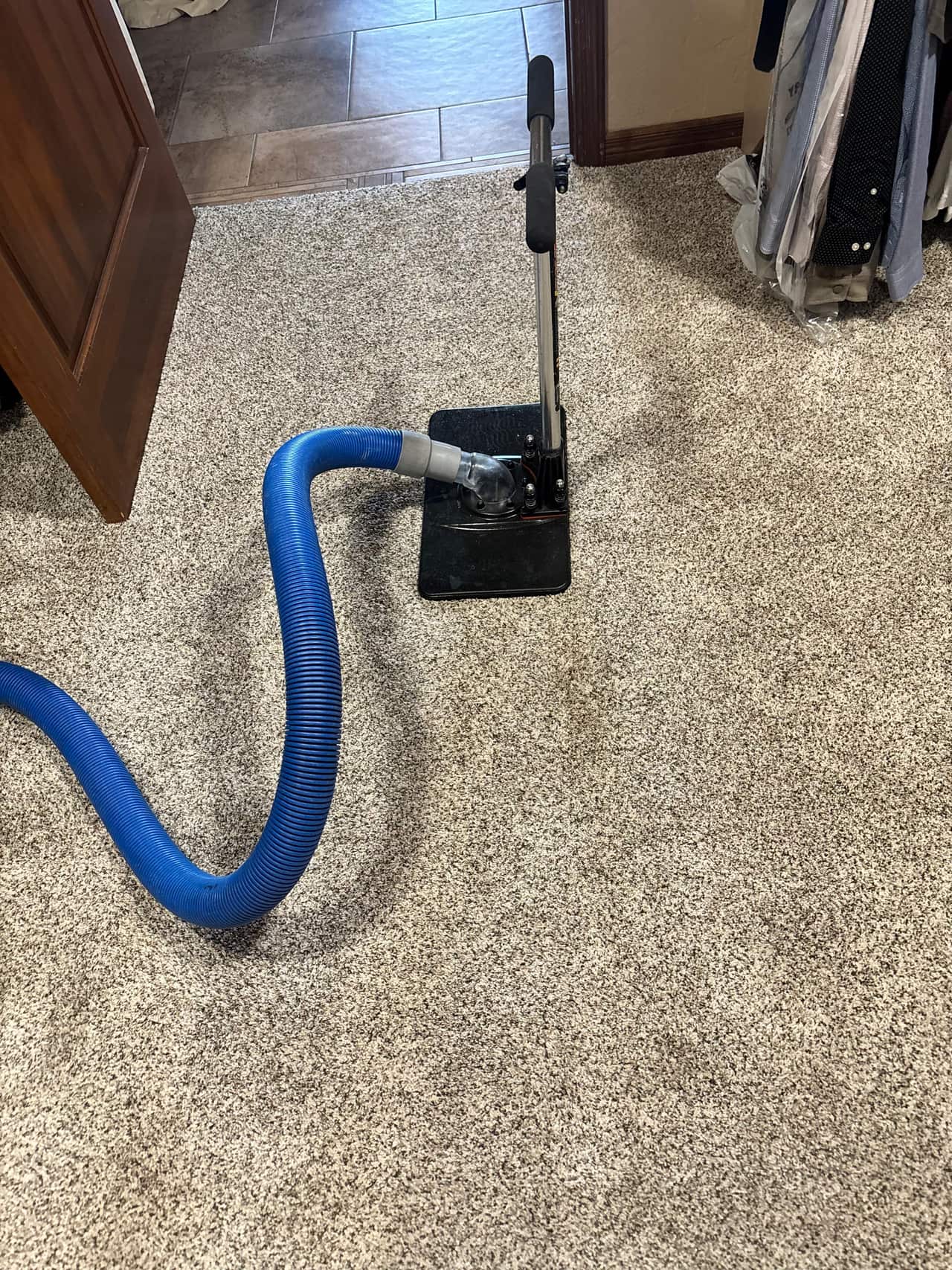
A look at real Aggie cleaning jobs in and around Las Cruces.
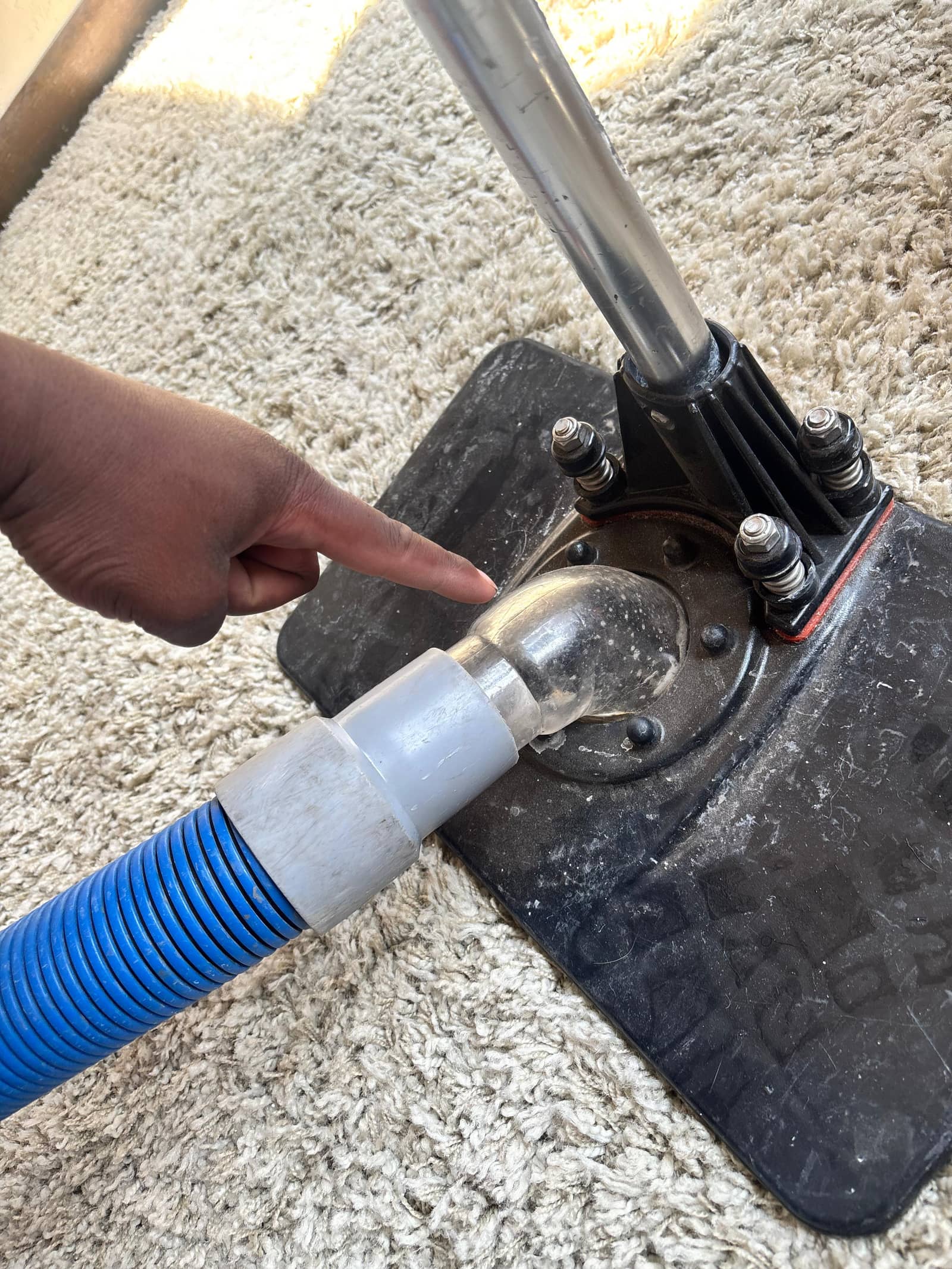
Before & After
Surface improvement after restoration is visible, but moisture concerns involve more than appearance. The timing, the odor profile, and the condition of materials below the surface all shape what extraction, drying, and cleanup can realistically recover.
See the Difference
Water Damage Restoration
Compare water-affected carpet or flooring with a room after extraction, drying, and cleanup.
Visual result sections help homeowners understand the kind of surface improvement to look for after a professional cleaning.
Who we serve
Water damage in Las Cruces homes can come from plumbing, appliances, roofs, or weather events. Aggie provides water extraction, drying, and flood cleanup for homeowners, renters, and landlords.
Commercial spaces in Las Cruces can face water events from HVAC systems, roof leaks, plumbing failures, or flooding. Aggie provides water extraction, drying, and cleanup for business and property situations.
Why it happens
Water damage concerns depend on the water source, how long the area has been wet, and what materials are involved. Carpet, padding, baseboards, and subfloor can all hold moisture at different rates and depths, which is why restoration starts with extraction and drying rather than a surface pass.
What the pros know
Moisture does not stay on the surface. Within hours of a water event, moisture moves from carpet fiber down into padding and can reach the subfloor and wall edges in ways that are not visible from the top. The rate depends on the water volume, the padding type, and the room conditions. The first few hours after water contact are when extraction and drying can recover the most. Each hour after that reduces the options.
Padding under carpet absorbs water and holds it well below the fiber surface. A carpet that feels only slightly damp on top can have padding below it that is fully saturated. Odor that returns days after apparent drying often comes from the pad, not the surface layer. That is why restoration drying targets the pad and the base layer it sits on, not just the visible carpet surface.
Mold growth is driven by moisture sitting on organic material in a warm or humid environment. Carpet and padding can create those conditions quickly when wet time is extended, which is why fast extraction and drying matter so much. Aggie assesses what the surface and surrounding area show and advises on what the situation indicates. Active or spreading mold in walls, flooring systems, or structure is a different situation that requires a certified mold remediation specialist, and Aggie refers those situations rather than claiming that work.
Water damage restoration covers water extraction, drying, flood cleanup, and cleaning of the affected surfaces. Mold remediation is a separate specialty with its own certification, containment practices, and clearance standards. Aggie handles the water side of the problem and assesses mold concerns during the visit, but active mold growth is referred to a certified remediation specialist. Knowing which job you are facing before work starts saves both time and money.
The water source and how long the area has been wet are the first two things reviewed before any work begins. Clean supply water from a pipe behaves differently than drain backup or storm flooding. The timeline affects what extraction and drying can save and whether padding or other materials should be replaced instead. Both are discussed as part of the initial review.
Process
Water damage restoration follows a clear order: review the situation, extract the water, dry the wet materials, clean up what the water left behind, and finish with a cleaning and sanitizing treatment on the affected carpet and flooring. Mold concerns are assessed along the way.
Talk through the situation by phone. The water source, the rooms affected, and the timeline shape the plan. Aggie is reachable 24 hours.
Review the affected area in person, including carpet, padding, flooring, baseboards, and how far the moisture has traveled.
Extract standing water and water held in carpet and padding.
Dry wet carpet, flooring, and affected structural materials. Drying time depends on the water volume, the materials, and the room conditions.
Clean up flood residue and apply a cleaning and sanitizing treatment to the affected carpet and flooring.
Assess any mold concern and advise on what it indicates. Active or spreading mold is referred to a certified mold remediation specialist.
Service coverage
Aggie provides water extraction, drying, and flood cleanup across Las Cruces homes, apartments, and rental properties.
Aggie provides water extraction, drying, and cleanup for commercial spaces and managed properties across Las Cruces.
Compare settings
| Restoration need | Home setting | Business setting | How Aggie handles it |
|---|---|---|---|
| Water source | Homeowners may face supply line leaks, appliance overflows, roof leaks, or toilet overflows. Source type matters for how the area is assessed. | Commercial spaces may face HVAC condensate overflow, roof leaks, or drain backups. Source type changes how the situation is reviewed and what comes next. | Water source is reviewed first. Clean supply water is a different situation than drain backup or roof water, and it shapes the extraction, drying, and cleanup plan. |
| Time since wet | Carpet found wet within hours has more options than carpet that has sat wet for days. Time is the most critical factor in water damage. | Water incidents in commercial spaces are sometimes discovered late, after hours or in storage areas. Late discovery changes what extraction and drying can realistically recover. | How long the area has been wet is discussed before any work begins. The timeline affects what extraction and drying can save and what should be replaced instead. |
| Affected area size | A small appliance spill confined to one area is a different situation than a roof leak spreading across multiple rooms. | Commercial water events can affect large open floor areas quickly. Size, access, and surface type all factor into the review. | The affected area is assessed for size and spread. Both shape the extraction and drying scope, the timeline, and the quote. |
| Padding condition | Padding under carpet holds water long after the surface seems dry. Odor that returns after apparent drying often originates from the pad, not the fiber. | Commercial carpet may have different padding or adhesion than residential. The base layer can still hold moisture that is not visible from the surface. | Padding and what is below the carpet surface are part of the restoration review. Padding that is too saturated to dry in place is flagged for replacement. |
| Mold concern | Carpet and padding that have been wet for an extended period in a warm or humid area can develop conditions that increase mold risk. | Mold concern in commercial spaces may involve ceiling or wall areas near flooring, not just the floor surface itself. | Aggie assesses what the affected area shows and advises on what the situation indicates. Active or widespread mold is referred to a certified mold remediation specialist, because Aggie is not a certified mold remediation company. |
| Insurance documentation | Some homeowners file insurance claims after water damage. Documenting the affected area before and after service supports the claim process. | Commercial property owners may work with insurers after a water event. A clear record of affected surfaces and timeline supports the claim. | Aggie can advise on documenting the damage for insurance purposes. Claim filing and direct insurer billing are handled between the customer and their insurance provider. |
| Salvage or replace decision | Not all wet carpet is salvageable. Water type, time, material, and condition each affect whether restoration is the right path or replacement makes more sense. | Heavily saturated commercial carpet that has sat wet for an extended period may be past the point where drying and cleaning are cost-effective. | The review clarifies whether extraction and drying can recover the material or whether the condition points toward replacement as the realistic next step. |
Quote factors
Water damage restoration quotes depend on the severity, the affected surface area, access, how long the area has been wet, and whether odor or mold concern is present. A fast review clarifies the scope of extraction, drying, and cleanup before work begins.
Related services
Water damage in Las Cruces most commonly affects carpet and hard flooring. For standing water and storm flooding, start with emergency water extraction. Aggie Carpet and Tile Cleaning also provides carpet cleaning and sewage and bodily fluid cleanup in Las Cruces alongside water damage restoration.
Helpful guides
Practical articles that explain what affects this kind of cleaning and what to expect.
Service area
Aggie Carpet and Tile Cleaning provides water damage restoration across Las Cruces, NM, and the nearby El Paso, TX area, with scheduling based in Las Cruces.
Reviews
Recent Google reviews from Las Cruces homes and businesses Aggie has helped.
Aggie Carpet Cleaning of Las Cruces came and cleaned our dirty carpet and dirty tile and grout, saving us lots of money. They were efficient and diligent. They are the BEST carpet and tile cleaners here in Las Cruces, New Mexico.
A wonderful young man came to clean my rug carpets and sofa. He did a fantastic job! Not only are they clean, they look brand new. He was easy to work with, right on time, and a really nice guy overall. Would definitely recommend.
FAQ
Common questions before scheduling.
Water damage restoration from Aggie Carpet and Tile Cleaning includes water extraction, wet carpet and structural drying, flood cleanup, and a cleaning and sanitizing treatment for affected carpet and flooring in Las Cruces homes and businesses. Mold concerns are assessed during the visit, and active mold is referred to a certified remediation specialist.
Reach Aggie quickly, limit foot traffic across the affected area, and avoid covering the wet surface. The sooner extraction and drying start, the more the restoration can recover. The water source and how long the area has been wet shape the plan, so have both ready when you call.
No. Aggie Carpet and Tile Cleaning is not a certified mold remediation company and does not claim mold removal or mold remediation. Aggie assesses mold concerns during a water damage visit, advises on what the situation indicates, and refers active or spreading mold to a qualified remediation specialist. Water damage restoration and mold remediation are different services.
After extraction, drying, and cleanup, Aggie applies a cleaning and sanitizing treatment to the affected carpet and flooring. The treatment supports a deeper clean of the surfaces the water touched than a basic surface pass. Aggie describes it as a cleaning and sanitizing treatment and nothing more, and it does not replace certified mold remediation where active mold is present.
Yes. The phone is reachable 24 hours, and for water emergencies in Las Cruces, Aggie aims to arrive within 30 minutes of your call. Arrival time depends on your location, the weather, and how many emergencies are active at the same time. Calling as soon as you find water gives extraction and drying the most time to work.
Not always. Water type, how long the area has been wet, and the condition of the padding and materials below all affect whether extraction and drying can recover the material. Some situations call for padding or material replacement rather than drying in place. The review clarifies which situation applies before work begins.
Clean water from a supply line is a different situation than drain backup or sewage water, which carries contamination concerns that change how the area must be handled. Sewage situations are covered under the separate sewage and bodily fluid cleanup service. Water source is one of the first things discussed because it shapes the entire restoration plan.
Padding below the carpet fiber holds moisture long after the surface appears dry. Odor that returns or worsens after apparent drying is often coming from the pad, not the fiber. Surface appearance does not reflect what is happening below the carpet layer, which is why restoration drying targets the pad and subfloor, not just the fiber.
Yes. Aggie provides water extraction, drying, and flood cleanup for offices, rental units, commercial spaces, and property management situations in Las Cruces. Commercial and residential water events are both handled, and the phone line is reachable 24 hours.
Aggie does not file claims or bill insurance providers directly. Aggie can advise on documenting the affected area and timeline, which supports the claim process. The claim itself is handled between the customer and their insurance provider.
The review covers the water source, how long the area has been wet, the affected surface area, visible moisture indicators, odor, and any mold concern. That information sets the extraction and drying plan and identifies anything that needs a specialist referral, such as active mold.
If carpet or flooring has become wet, reach Aggie Carpet and Tile Cleaning 24 hours to request water damage restoration. Knowing the water source and timeline helps the extraction and drying plan start right.
Request a quote
If carpet or flooring has become wet, reach Aggie Carpet and Tile Cleaning 24 hours to request water damage restoration. Knowing the water source and timeline helps the extraction and drying plan start right.
Satisfaction guarantee
If anything about your cleaning is not right, call us and we will come back to make it right. In rare cases where we cannot fix the issue, you may be eligible for a partial or full refund.