
Before & After
Carpet Cleaning
Drag to compare
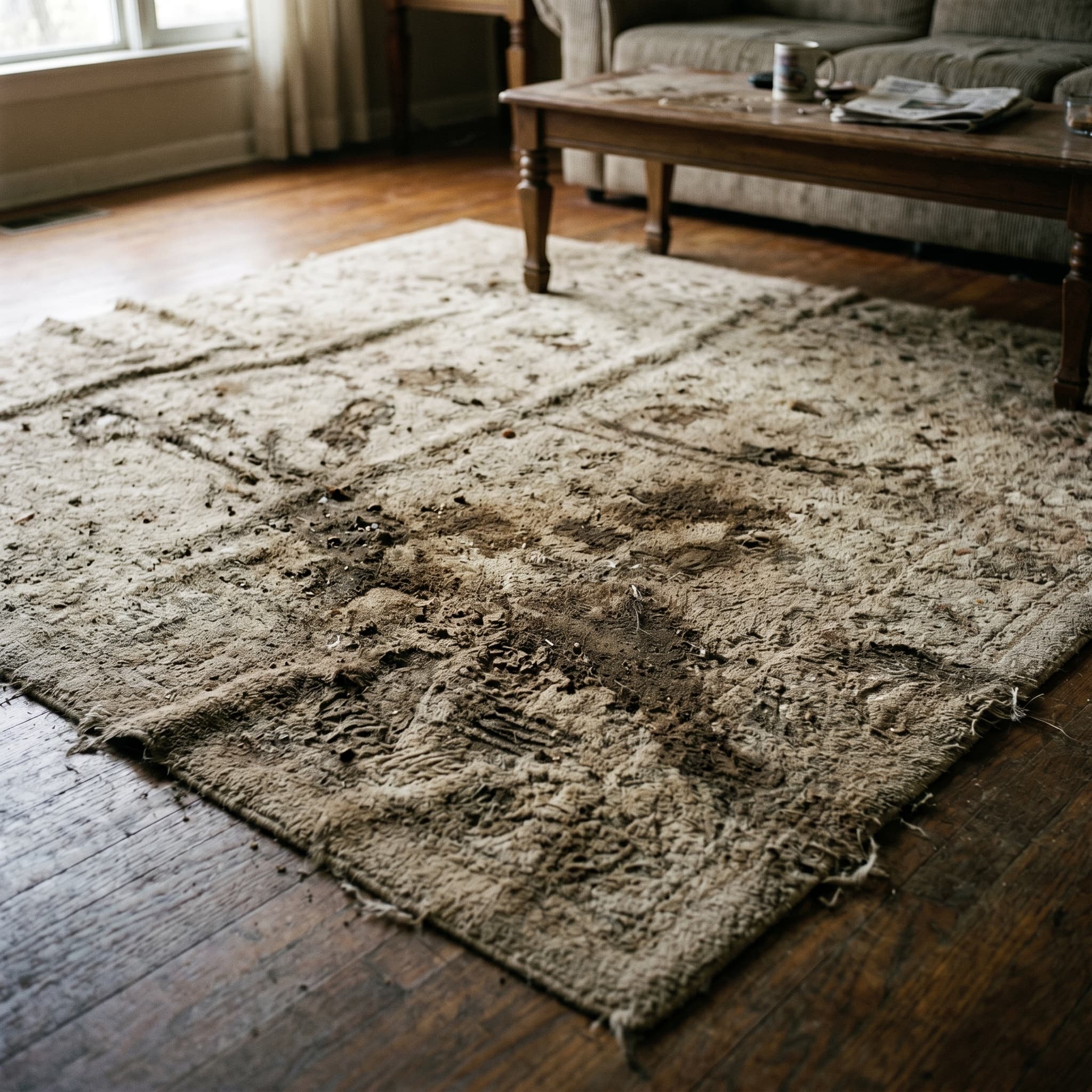
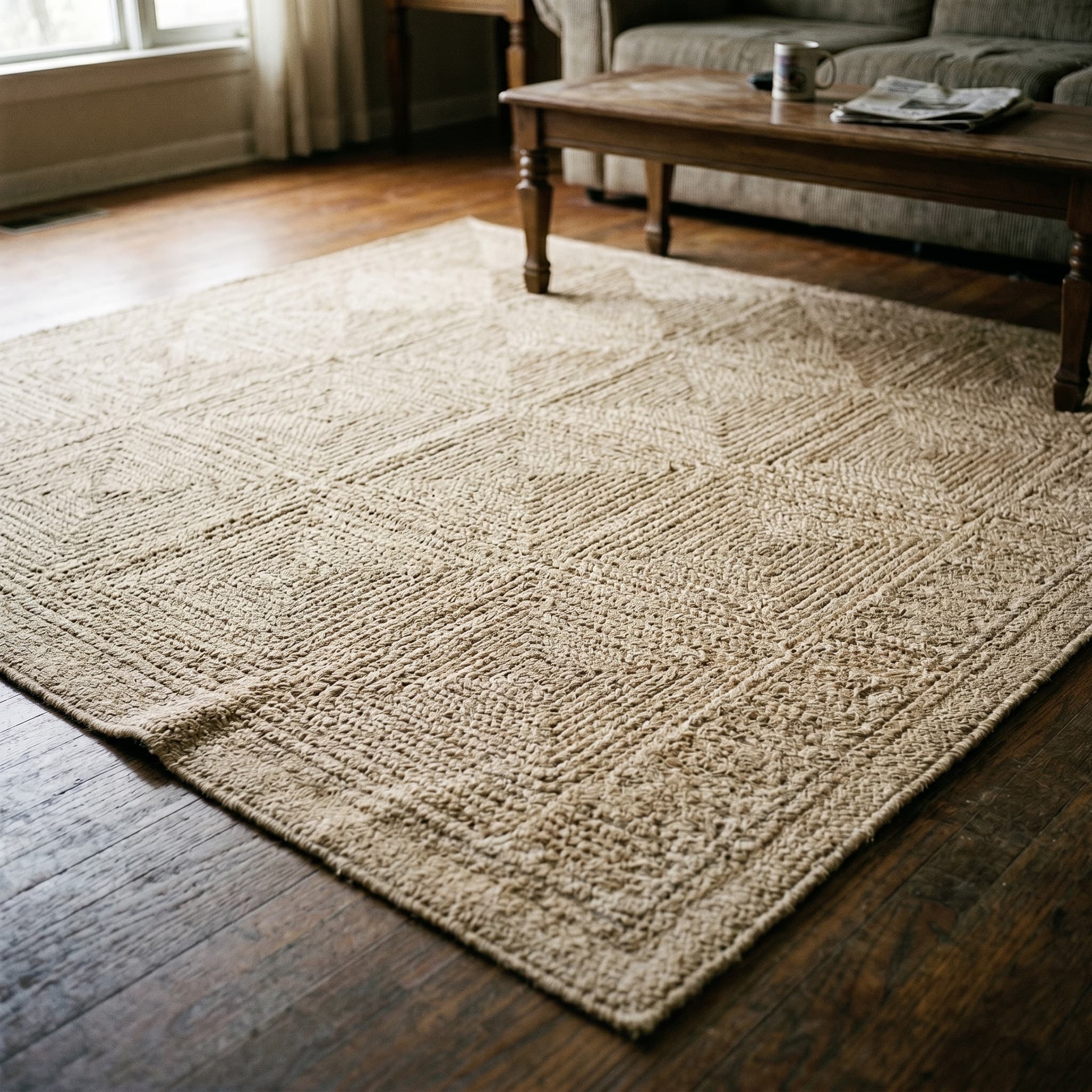
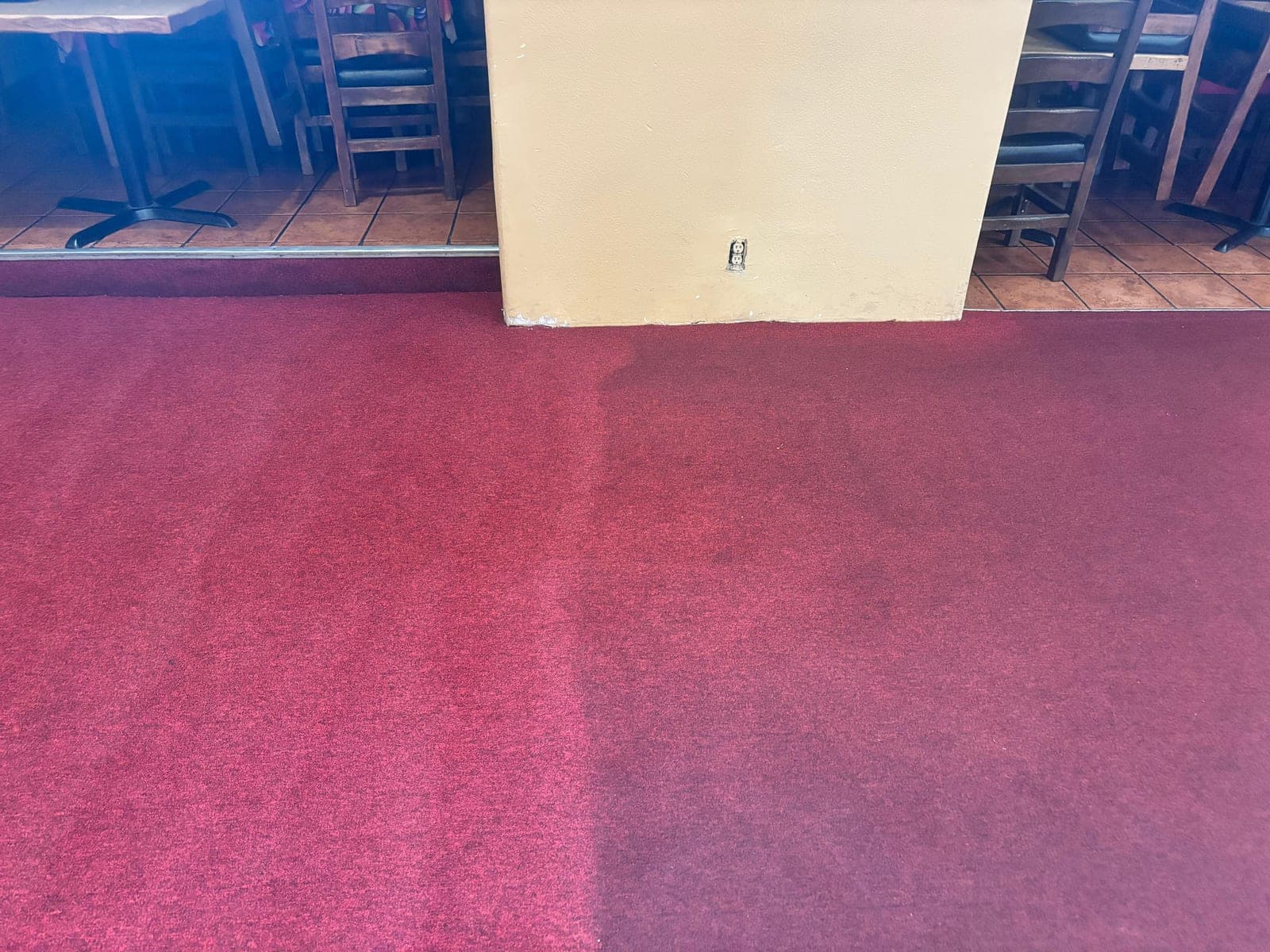
Before
After
Carpet Cleaning Before and After
Compare traffic lanes, settled soil, and a cleaner carpet finish in one simple view.
Before & After
Compare traffic lanes, settled soil, and a cleaner carpet finish in one simple view.
Before & After
Carpet Cleaning
Compare traffic lanes, settled soil, and a cleaner carpet finish in one simple view.
Visual result sections help homeowners understand the kind of surface improvement to look for after a professional cleaning.
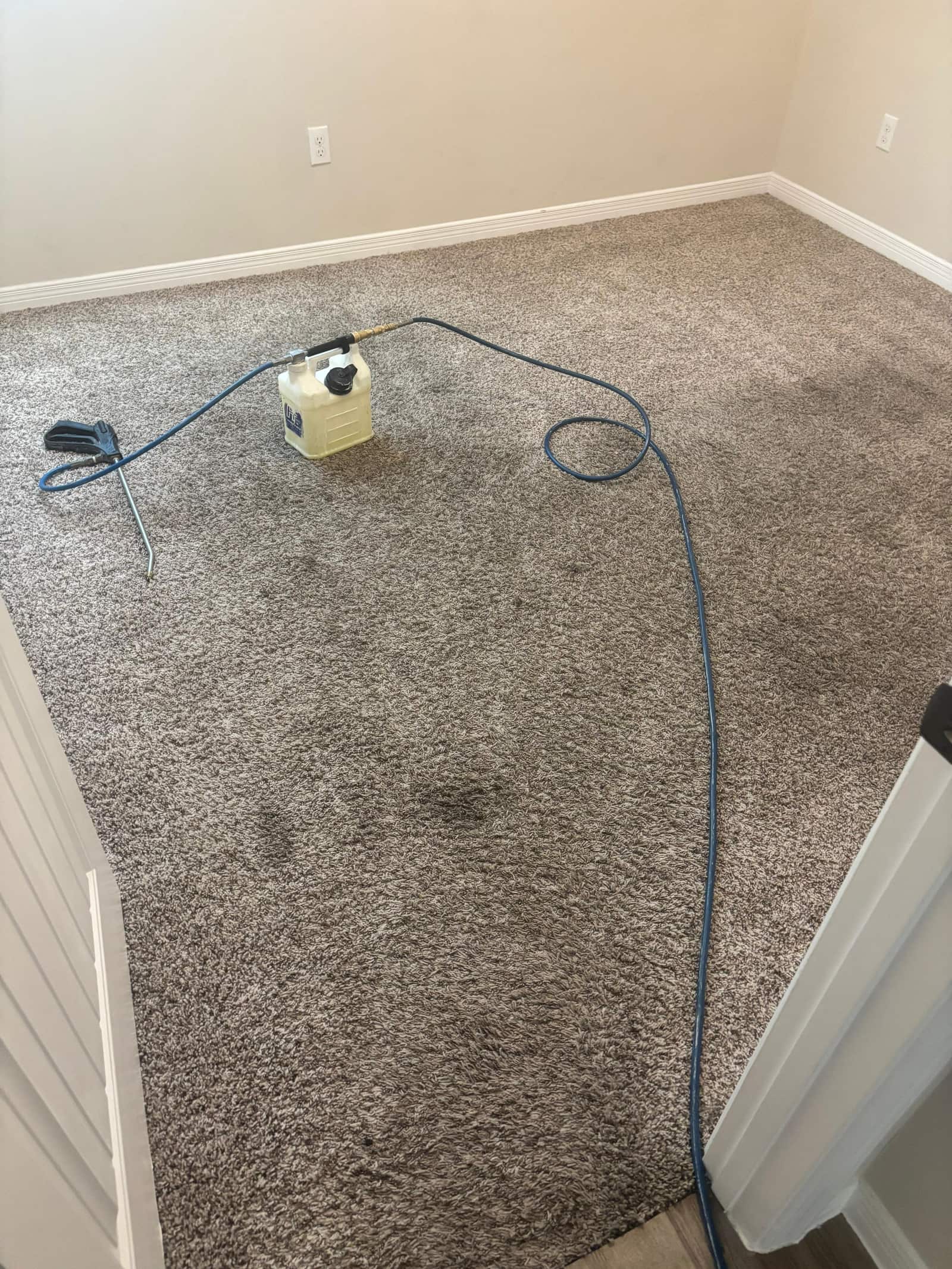
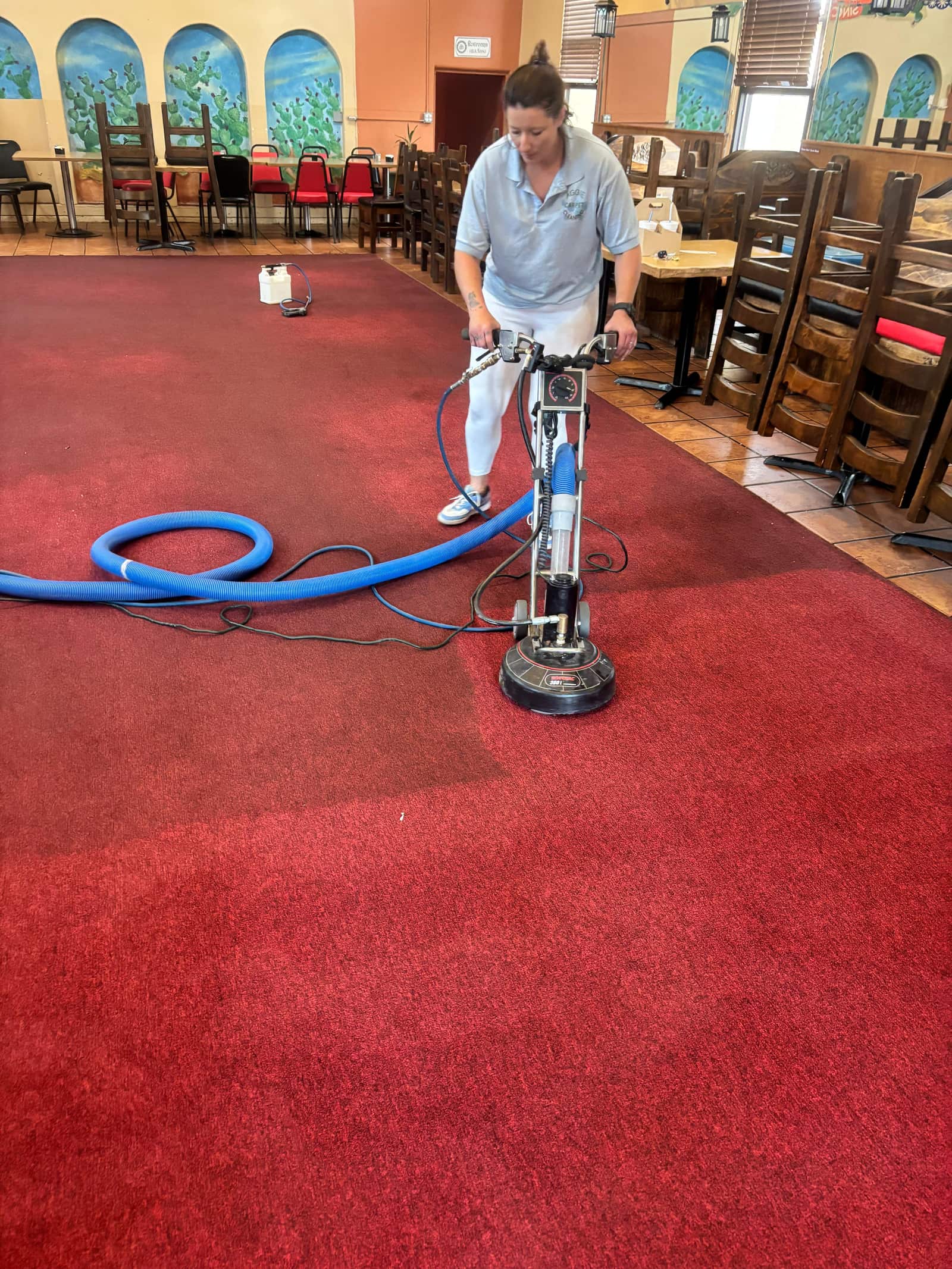
Start with the traffic lanes. After a deep cleaning, the color of the paths people walk every day should sit closer to the carpet along the walls, where almost nobody steps. Before cleaning, those paths often look gray or flat next to the edges of the room. On older carpet the gap may narrow without closing, because years of foot pressure can wear fibers in a way that cleaning cannot rebuild. To judge a result fairly, compare the same spot in daylight from the same angle, once the carpet is dry. Pet areas and the patch in front of a favorite chair are worth checking the same way.
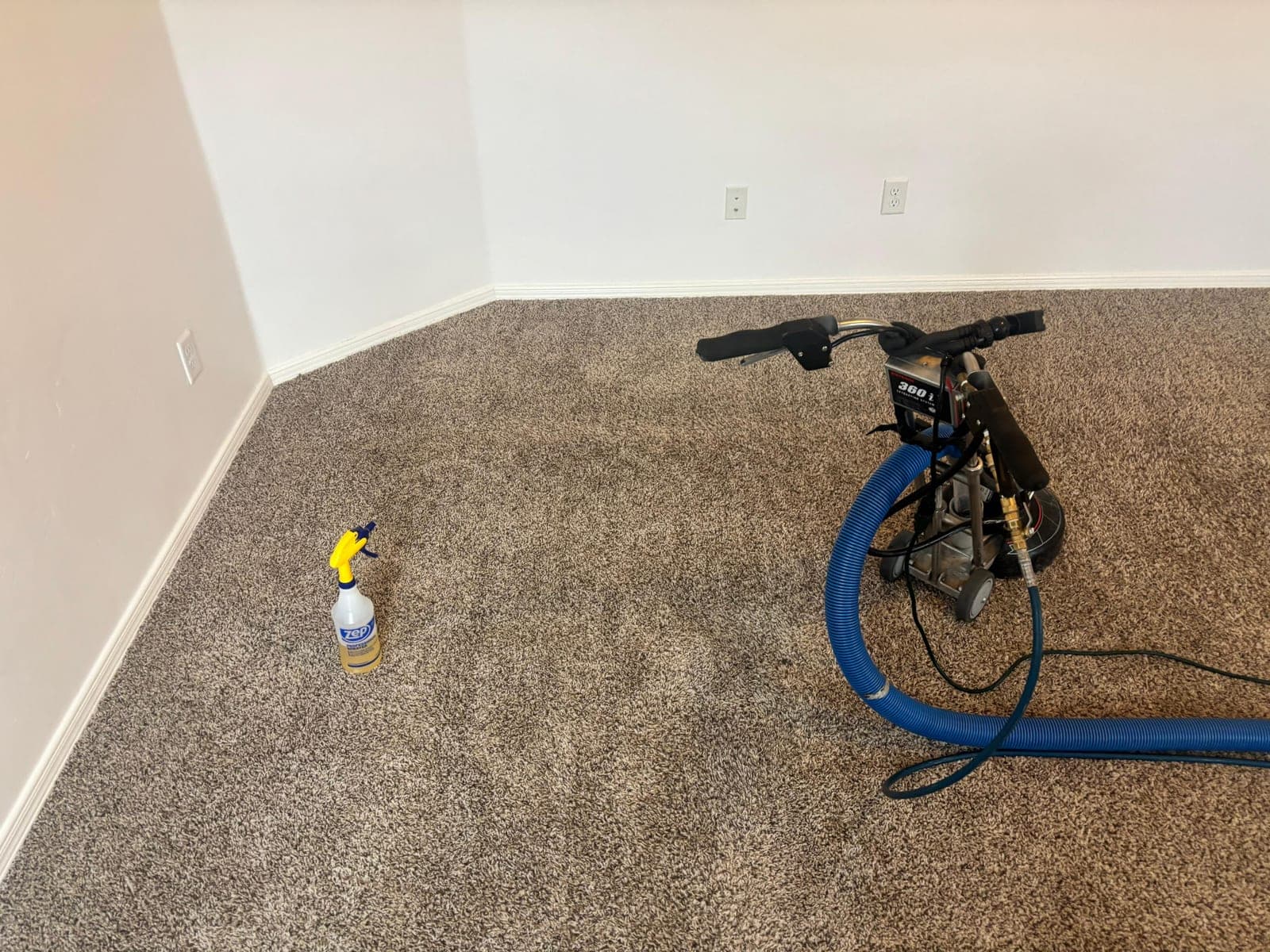
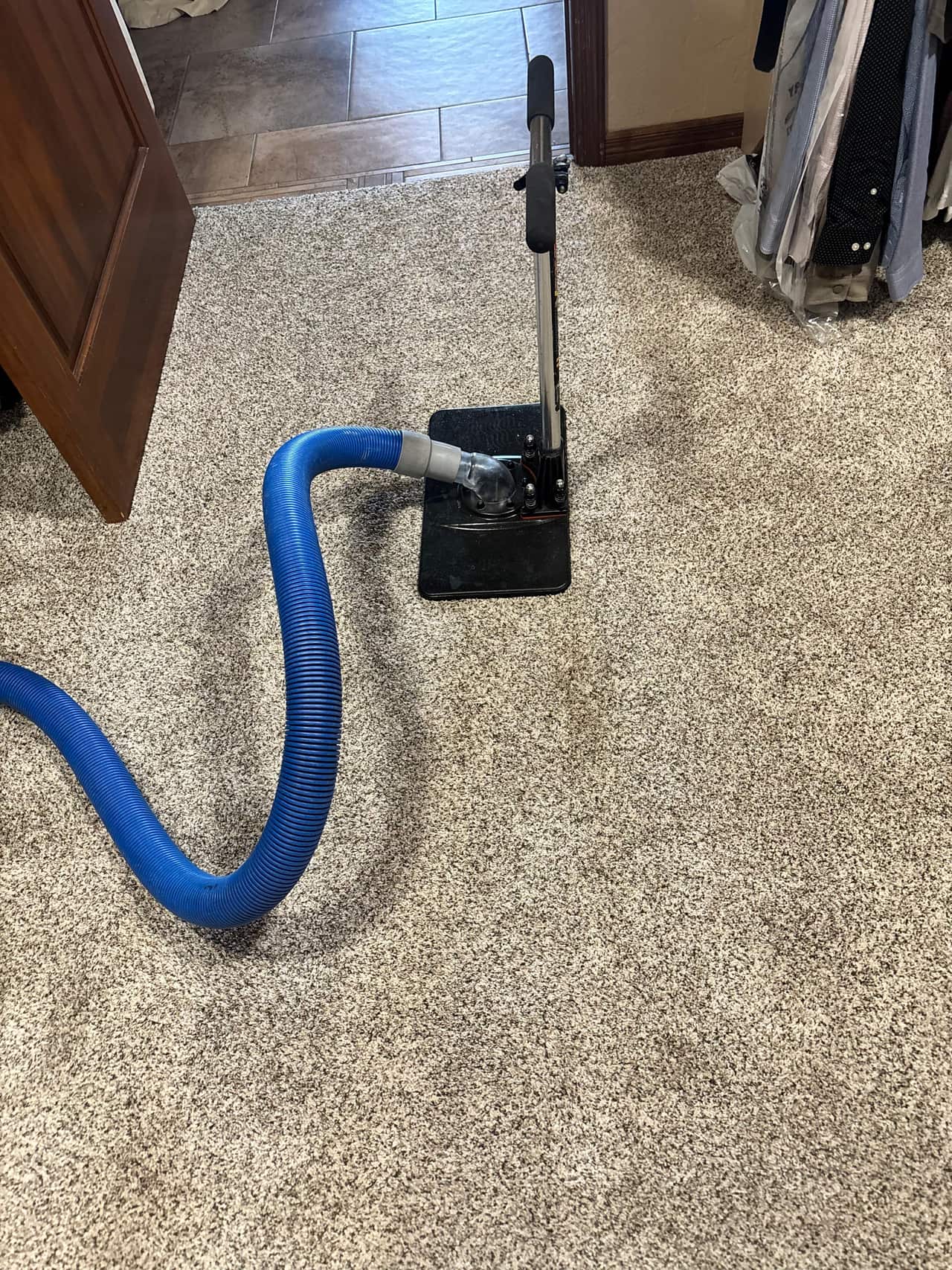
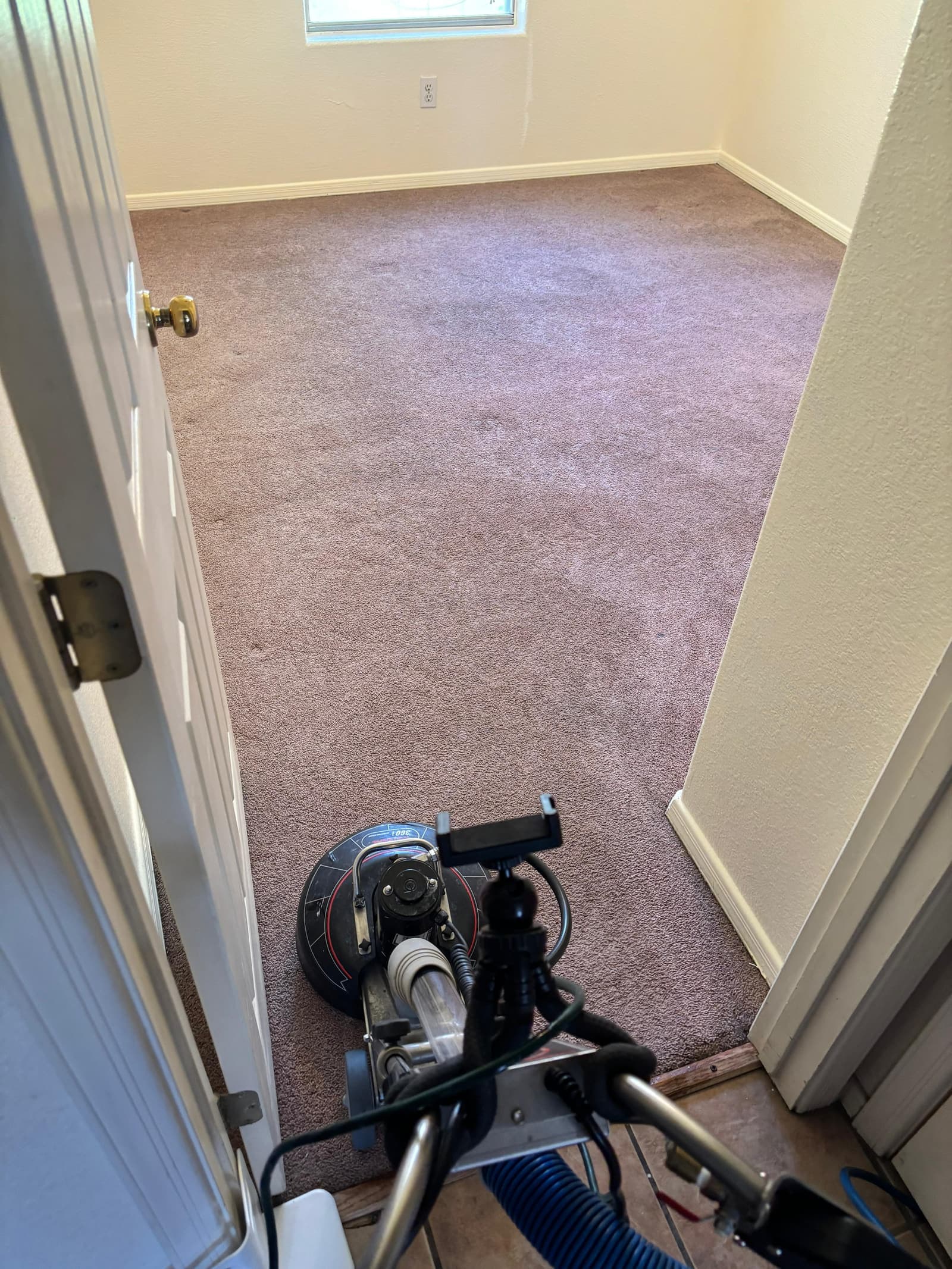
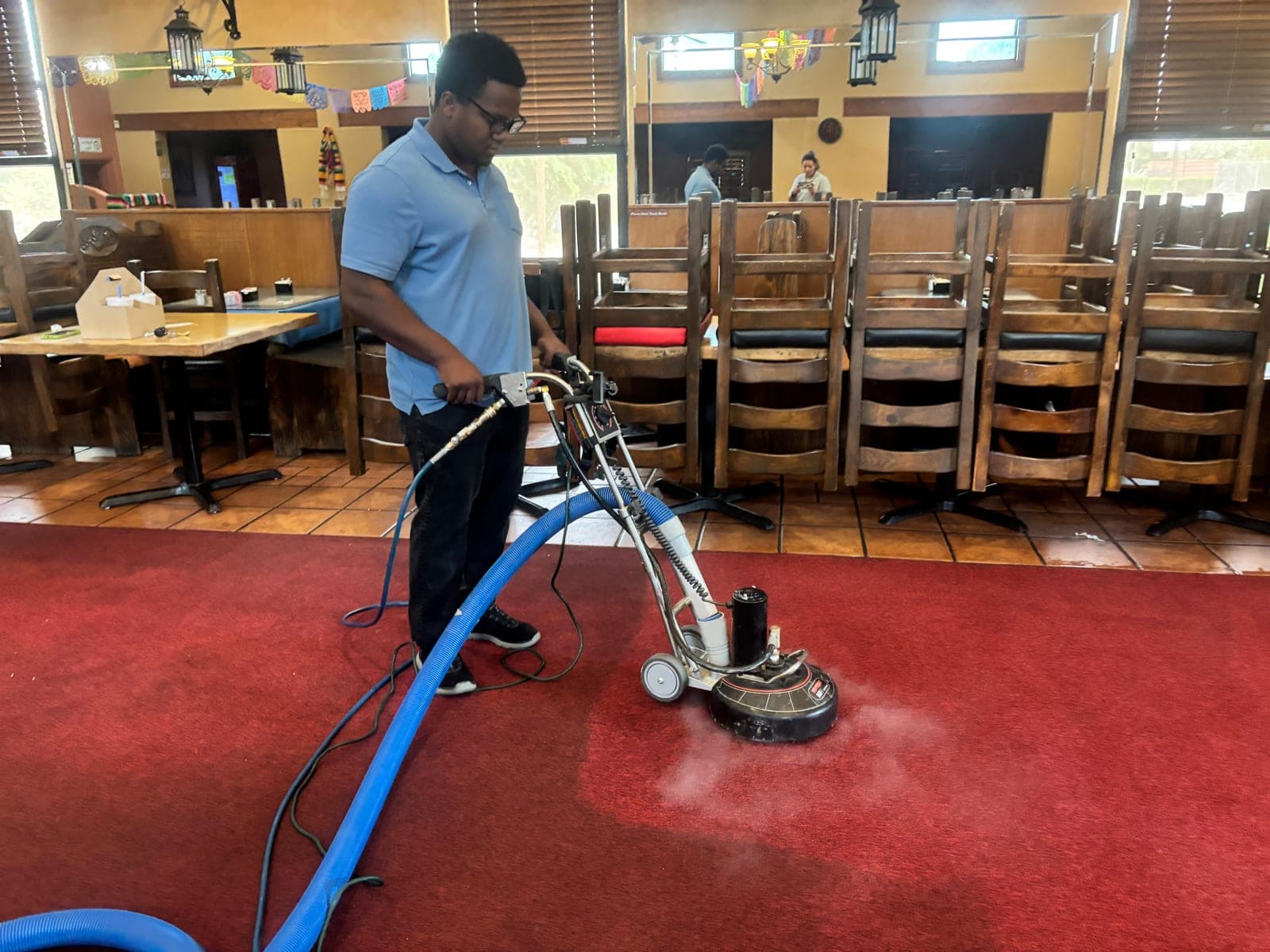
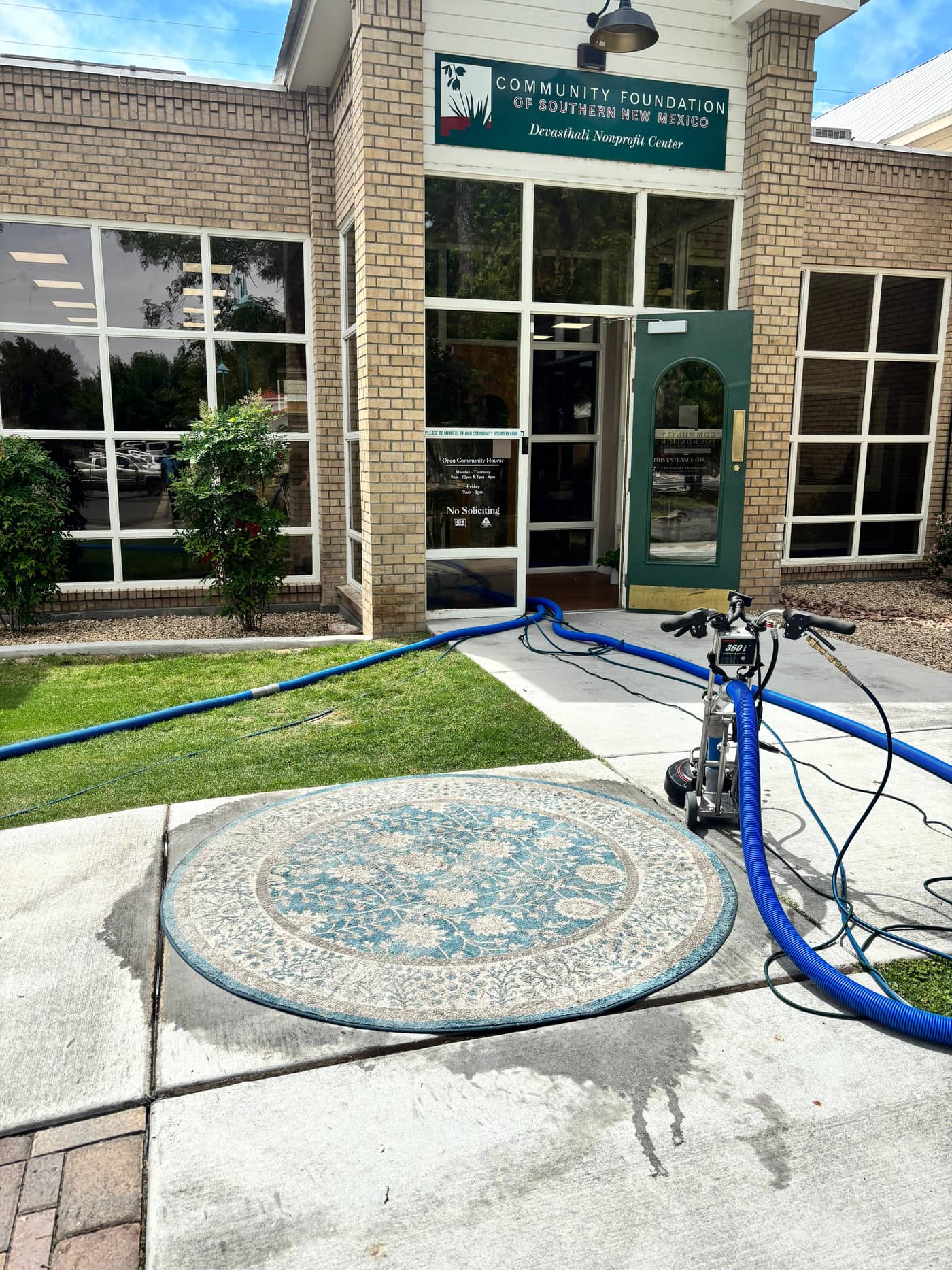
Traffic lanes are not only dirt sitting on top. Fine dust, body oils, and grit settle down near the base of the fibers, where a quick surface pass does not reach. When the top looks clean but that settled soil stays behind, the lane can look dark again sooner than expected. Aggie Carpet and Tile Cleaning pre-treats lanes and uses the Rotovac 360i rotary extraction power head to agitate the carpet from multiple directions before extraction, so more of the settled soil leaves with the rinse instead of staying in the carpet. Office carpet follows the same pattern, with entry paths, desk zones, and hallway turns holding more soil than open floor.
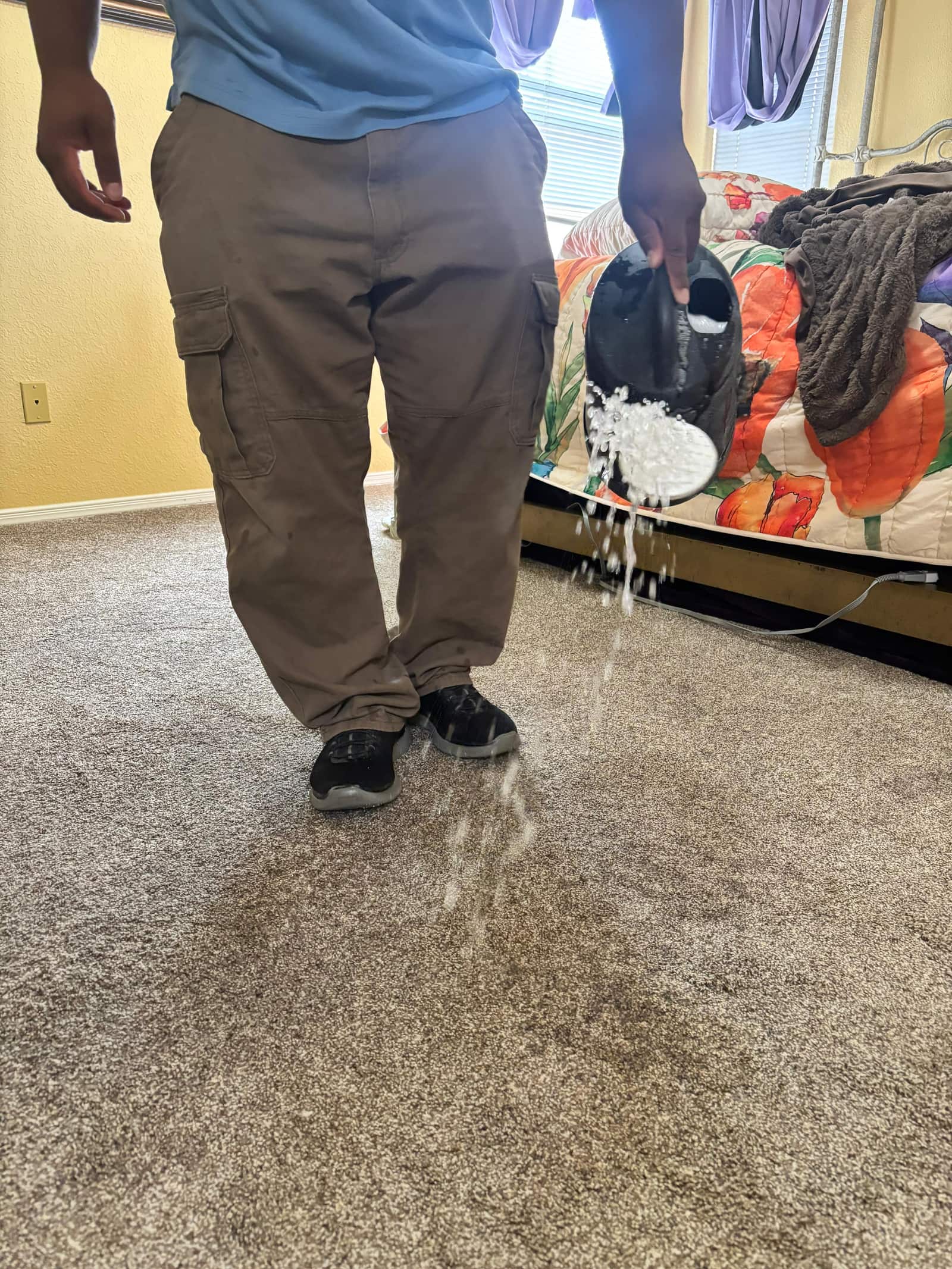
Yes. Carpet fibers lean in the direction people walk, and a matted lane reflects light differently than the fibers around it, so it can look darker even after the soil is gone. Agitation from several directions helps lift fibers that have laid flat. Right after cleaning, you may see lighter and darker shading where fibers dried in different directions. That shading is part of how cut pile carpet looks, and it can even out once the carpet is dry and walked on. Carpet dries in 3 to 24 hours, depending on the carpet and the airflow in the room.
Every carpet starts from a different place. The result depends on the fiber, the soil level, how old a stain is, any spot products used before the visit, moisture, and how easy the room is to reach. Fine desert dust settles deep into carpet in Las Cruces homes and offices, which is one reason Aggie recommends a cleaning every 6 to 18 months. Aggie looks at the carpet before setting expectations and explains what cleaning can realistically change. Read more about carpet cleaning in Las Cruces, or call (575) 649-3197 for a free quote.
Read about carpet cleaning in Las CrucesSee results for every service
Call Aggie Carpet and Tile Cleaning for carpet, furniture, rug, tile and grout, or pet urine cleaning, or for water damage restoration.