Emergency Water Extraction and Flood Cleanup in Las Cruces, NM
Aggie Carpet and Tile Cleaning provides emergency water extraction in Las Cruces for homes, rentals, offices, and storefronts. The crew aims to be on site within 30 minutes of your call, although arrival depends on where you are, the weather, and how many emergencies are active at the time. On site, the crew works in order. Find where the water came in, pump out standing water with submersible pumps, and pull water from carpet and pad with truck-mounted extraction and a Water Claw. Then remove the pad, carpet, and drywall that cannot be saved, and set up air movers and dehumidifiers. Moisture meter readings guide each step. Longer drying and monitoring continue under Aggie's water damage restoration service.
Aims to arrive within 30 minutesStorm and flood water removalPad and drywall removalReachable 24 hours
5-Star Rated on GoogleLocal carpet, tile, rug, and furniture cleaning
2025 Neighborhood FaveRecognized by Nextdoor neighbors
LCServing Las CrucesHome base in Las Cruces, also serving nearby El Paso
Quick answer
What does emergency water extraction in Las Cruces involve?
Emergency water extraction removes standing water and soaked materials from a building before the damage spreads. Aggie Carpet and Tile Cleaning provides emergency water extraction in Las Cruces, NM for homes and businesses, including flood cleanup after monsoon storms. The crew aims to arrive within 30 minutes of your call in Las Cruces, pumps out standing water, removes wet pad and drywall that cannot be saved, and sets up drying equipment. El Paso calls are covered too.
Flood call equipment
What Aggie Brings to a Flood Call
Emergency water extraction needs more than a carpet cleaning wand. Aggie arrives with equipment for each stage of the job, from moving standing water out of the room to confirming that what stays behind is drying.
Submersible Pumps
Move standing water out of rooms and garages when the depth is more than extraction tools can handle alone.
Truck-Mounted Extraction and the Water Claw
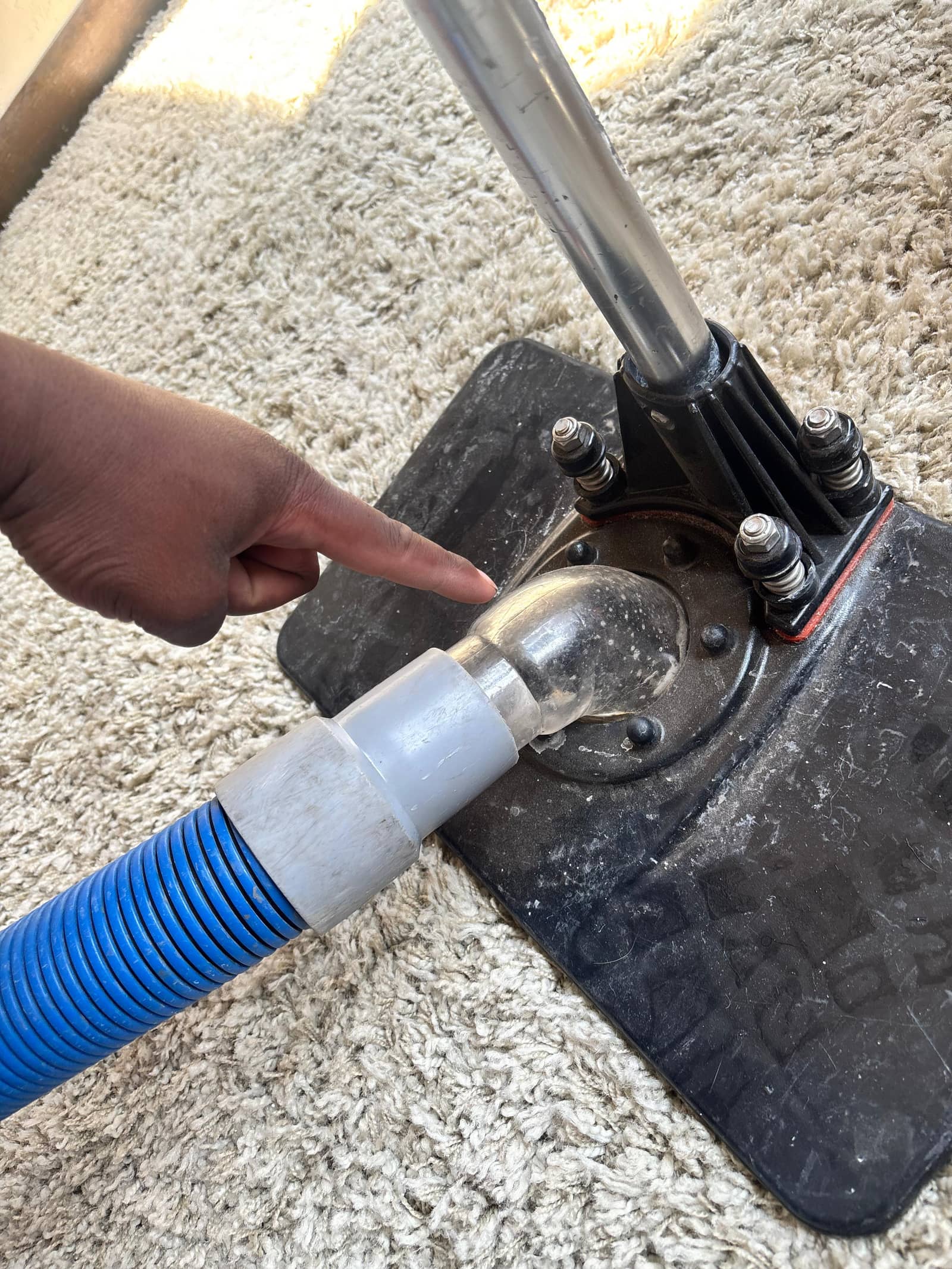
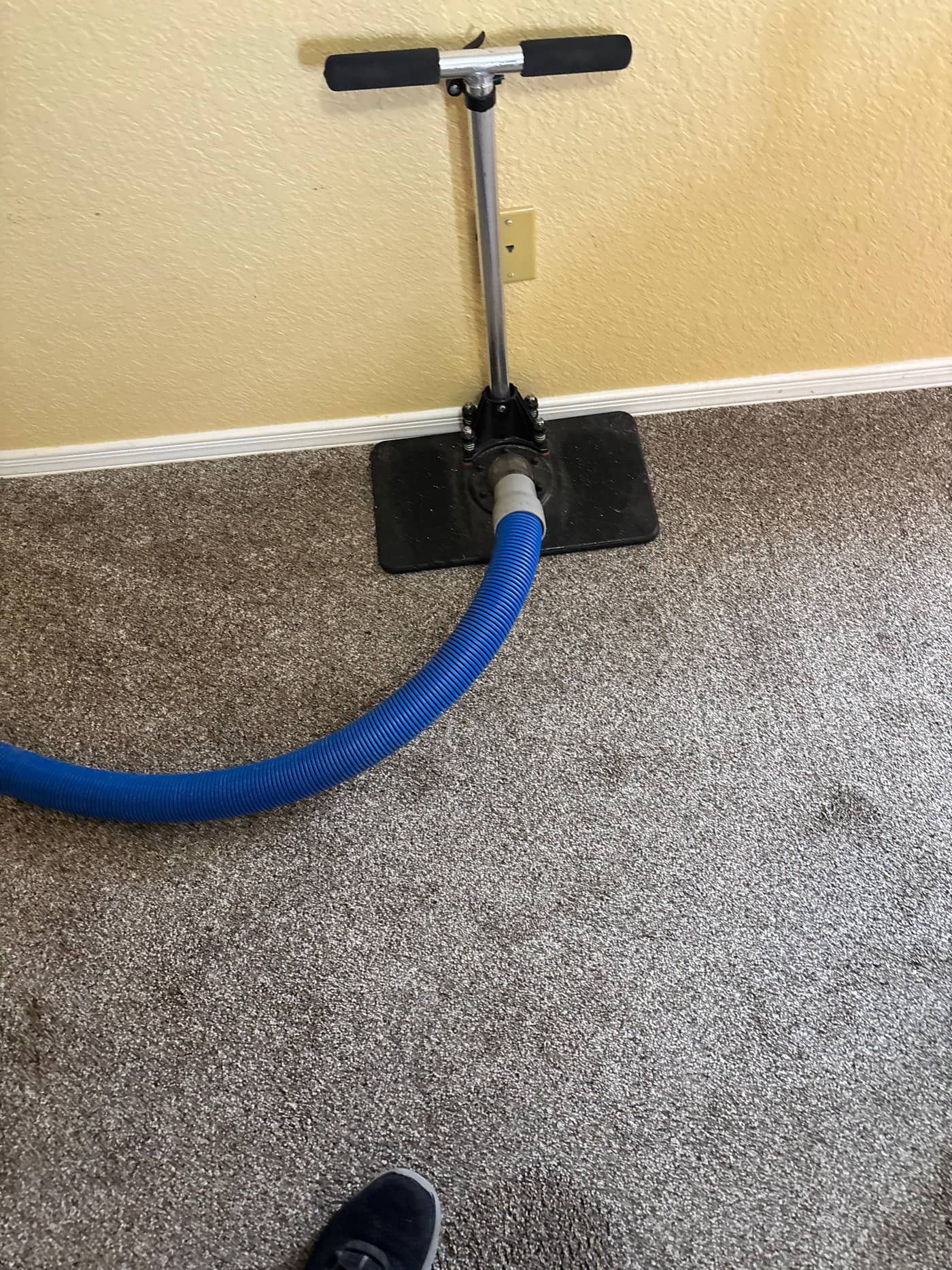
The truck-mounted vacuum pulls water from carpet, and the Water Claw presses into the carpet to draw water up from the pad underneath.
Air Movers, Dehumidifiers, and Moisture Meters
Air movers and dehumidifiers start the drying once the water is out. Moisture meters show where water is still hiding in drywall, baseboards, and pad.
Who we serve
Emergency Water Extraction for homes and businesses
For Homes
Most residential flood calls in Las Cruces start at a door, a roof drain, or a pipe. Aggie handles emergency water extraction for owners, renters, and landlords, whether the water covers one room or the whole ground floor.
Monsoon runoff coming in under exterior or sliding doors
Flat roof and canale overflow that reaches ceilings and carpet below
Flash flooding in homes near arroyos and low-lying streets
Burst pipes after a hard freeze
Water heater or supply line failures that flood a room
Standing water in garages, casitas, and converted rooms
Rental units flooded between tenants or during a lease
Move-out properties where a flood was found late
For Businesses
A flooded business loses time with every hour the doors stay closed. Aggie provides emergency water extraction for offices, storefronts, and managed properties across Las Cruces, including water found first thing in the morning after an overnight storm.
Storefronts where storm water came in through the front entry
Offices with carpet tiles soaked under desks and cubicles
Restaurant dining rooms with water across carpeted areas
Property managers with several flooded units after one storm
Churches, event halls, and meeting spaces with large carpeted floors
After-hours discoveries when an alarm or a tenant reports water
Why it happens
What counts as a flood emergency
A flood emergency is any situation where water is standing inside a building or spreading faster than towels can keep up. In Las Cruces, most of those calls come during the monsoon. The National Weather Service defines the Southwest monsoon season as June 15 through September 30, and one afternoon storm can send runoff down a street and under a door. Winter brings a different emergency: pipes that freeze and burst during a hard cold snap.
Standing water inside after a monsoon storm
Runoff that came in under a door and soaked the carpet
Ceiling leaks from a backed-up canale or flat roof drain
A burst pipe that flooded a room overnight
Mud and silt left on floors after the water drained
Wet drywall above the visible water line
What the pros know
Emergency Water Extraction field notes
Field Note: The Mud Line Is Not the Wet Line
After runoff floods a room, the silt line on the drywall shows how high the water stood. It does not show how high the water traveled. Drywall wicks moisture upward past the visible line, and the wet zone can end well above the stain. Aggie takes moisture meter readings above the mud line before deciding where to cut, so the cut follows the wet material instead of the stain.
What We Check First: Where the Water Came In
Water from a supply line and water that ran in across a yard are different jobs. Runoff carries soil and debris into the building with it. The IICRC, which publishes the water damage restoration standard, stated in March 2026 that storm water is not automatically placed in its most contaminated category, and that the inspection decides. That is why the first question on every call is how the water got in.
Moisture Note: Why Runoff-Soaked Pad Usually Comes Out
Carpet pad works like a sponge with no way to rinse it. When runoff soaks the pad, silt and debris settle inside it, and extraction removes the water but not what the water left behind. Pad soaked by a clean supply line is a different case and can sometimes be dried in place. The carpet on top often has more options than the pad under it.
What Business Owners Miss: Water Hides Under Tiles
In an office or store, flood water follows the slope of the slab, not the layout of the room. Carpet tiles hide how far it went, because the water spreads under the tiles and beneath desks before it shows on top. Aggie checks moisture past the visible edge so that a dry-looking aisle does not stay wet underneath.
Surface Note: How Monsoon Water Gets Inside in Las Cruces
Many Las Cruces homes have flat roofs that drain through canales, and a clogged canale can back water up onto the roof and into the ceiling. Hard desert ground sheds heavy rain instead of soaking it up, so runoff reaches doors and garage slabs quickly. Door thresholds that face the street or an uphill slope are common entry points. Knowing the entry point tells you what to fix before the next storm.
Process
Emergency Water Extraction process
Emergency water extraction follows a set order so that nothing gets dried in place that should have been removed. The steps below cover what happens from the phone call to the moment the drying equipment starts running.
1
Call Aggie. Where the water came from, which rooms are affected, and whether water is still coming in all shape the response. The phone is reachable 24 hours.
2
Aggie aims to arrive within 30 minutes of the call in Las Cruces. Arrival time depends on location, weather, and how many emergencies are active.
3
Check the site before touching the water, including where it came in, whether it has stopped, and whether outlets, cords, or appliances sit near the wet area.
4
Pump out standing water with submersible pumps, then extract water from carpet and pad with truck-mounted extraction and the Water Claw.
5
Take moisture meter readings to map how far the water traveled, including drywall above the mud line.
6
Remove and haul away the pad, carpet, and drywall that cannot be saved, after explaining what is coming out and why.
7
Clean up silt and debris, apply a cleaning and sanitizing treatment to affected flooring, and set up air movers and dehumidifiers to start drying.
Service coverage
Emergency Water Extraction coverage and related terms
Residential flood cleanup in Las Cruces
Aggie provides emergency water extraction and flood cleanup for Las Cruces homes, apartments, and rentals.
flood cleanup after monsoon stormsstanding water removal from ground floors and garagesemergency water removal after burst pipeswet carpet pad removal and disposaldrywall cut-outs above the water lineflooded rental and move-out properties
Commercial emergency water extraction in Las Cruces
Aggie provides water extraction services for offices, retail spaces, and multi-unit properties across Las Cruces, and El Paso calls are covered too.
storm damage cleanup at storefront entriescarpet tile extraction in officesflood cleanup services for property managers with several unitsafter-hours emergency water extractionevent hall and church carpet flooding
Compare settings
Emergency Water Extraction for homes vs. businesses
Flood situation
Home setting
Business setting
How Aggie handles it
Where the water came from
Runoff under a door, a canale overflow, or a burst pipe. Each one leaves different material behind.
Storm water through a front entry, a roof drain backup, or a failed supply line or sprinkler.
The entry point is the first question on every call, because it decides what can be dried and what has to come out.
Standing water depth
A few inches across a living room floor is more than extraction tools can move quickly on their own.
Large open floors and slabs can hold standing water across the whole space.
Submersible pumps move the standing water first, and extraction tools handle what is left in carpet and pad.
Silt and debris
Runoff leaves mud on floors, in carpet, and along baseboards after the water drains.
Entry areas take the most silt because the water comes in there first.
Silt is cleaned up after extraction, and affected flooring gets a cleaning and sanitizing treatment.
Pad and drywall
Pad soaked by runoff usually cannot be saved, and drywall can stay wet above the stain.
Carpet tile, glue-down carpet, and office drywall each hold water differently.
Moisture meter readings decide what is removed, and Aggie removes and hauls away what cannot be saved.
Time since flooding
Water found in the morning after an overnight storm has had hours to spread.
A business flooded over a weekend may not be found until Monday.
How long the water sat changes what can be saved, so the timeline is part of the first call.
Insurance documentation
Homeowners who plan to file a claim need a record of the damage.
Commercial insurers expect the same record of affected areas and timeline.
Aggie can help document the damage for your claim. The claim itself and any billing are handled between you and your insurance provider.
Quote factors
What affects your emergency water extraction quote
Emergency water extraction quotes depend on how much water is standing, how far it spread, and what has to be removed. Aggie reviews the site before setting the scope, and nothing is removed without an explanation of why.
Flood calls often lead into other work once the water is out. Aggie Carpet and Tile Cleaning provides water damage restoration, sewage cleanup, and carpet cleaning in Las Cruces alongside emergency water extraction.
Aggie Carpet and Tile Cleaning provides emergency water extraction across Las Cruces, NM, and the nearby El Paso, TX area, with scheduling based in Las Cruces.
Recent Google reviews from Las Cruces homes and businesses Aggie has helped.
Google Review
Aggie Carpet Cleaning of Las Cruces came and cleaned our dirty carpet and dirty tile and grout, saving us lots of money. They were efficient and diligent. They are the BEST carpet and tile cleaners here in Las Cruces, New Mexico.
JHJennifer Hicks
Google Review
A wonderful young man came to clean my rug carpets and sofa. He did a fantastic job! Not only are they clean, they look brand new. He was easy to work with, right on time, and a really nice guy overall. Would definitely recommend.
SOSocorro Ontiveros
FAQ
Emergency Water Extraction FAQ
Common questions before scheduling.
How fast can emergency water extraction start in Las Cruces?
Aggie aims to arrive within 30 minutes of your call in Las Cruces. Arrival time depends on your location, road and weather conditions, and how many emergencies are active at the same time. The phone is reachable 24 hours, so you can call the moment you find water.
Does Aggie handle flood water that came in from outside during a storm?
Yes. Aggie handles storm runoff, flash flood water, and water that came in under doors or through a flat roof, including the mud and silt it leaves behind. Water from outside is handled differently from a clean pipe leak, because it carries soil and debris into carpet pad and along baseboards.
Can carpet be saved after a flood?
Sometimes. The carpet on top often has more options than the pad under it. Carpet soaked by a clean supply line can often be extracted, dried, and cleaned. Pad soaked by storm runoff usually has to be removed. The water source, how long it sat, and the carpet type decide which applies.
Does Aggie remove wet carpet pad and drywall?
Yes. Aggie removes and hauls away wet pad, carpet, and drywall that cannot be saved. Moisture meter readings decide where to cut, because drywall can stay wet above the visible water line. Removal happens only after Aggie explains what is coming out and why.
What should I do before the crew arrives?
Stop the water source if you can do so safely, and stay out of standing water near outlets or appliances. Move small valuables and documents off the floor. Take photos of each affected room before anything is moved. The City of Las Cruces also advises residents to photograph property after a disaster.
What is the difference between emergency water extraction and water damage restoration?
Emergency water extraction is the first response, which covers removing standing water, pulling water from carpet and pad, and removing what cannot be saved. Water damage restoration covers the longer drying, monitoring, and cleanup that follows. Aggie provides both, and most flood calls move from one into the other.
Does Aggie serve El Paso for flood emergencies?
Yes. Aggie covers El Paso, TX for emergency water extraction and flood cleanup. The 30-minute arrival target applies to Las Cruces, so call to confirm timing for an El Paso address. Las Cruces remains the primary service area.
Does Aggie bill insurance directly for flood cleanup?
No. Aggie does not file claims or bill insurance providers directly. Aggie can help document the affected areas, the water source, and the timeline, which supports your claim. Flood coverage varies by policy, so check with your insurance provider about what your policy includes.
Can a business call Aggie after hours for flooding?
Yes. The phone is reachable 24 hours, and Aggie handles emergency water extraction for offices, shops, and rental properties. A business that finds water after an overnight storm or a weekend closure can call right away instead of waiting for business hours.
What happens if there is mold after a flood?
Aggie assesses mold concerns during a flood call and explains what the situation shows. Aggie is not a certified mold remediation company, so active or spreading mold is referred to a certified remediation specialist. Fast extraction and drying shorten the time materials stay wet.
Need emergency water extraction?
Water in your home or business right now? Call Aggie Carpet and Tile Cleaning for emergency water extraction in Las Cruces. The crew aims to arrive within 30 minutes, and the phone is reachable 24 hours.
Water in your home or business right now? Call Aggie Carpet and Tile Cleaning for emergency water extraction in Las Cruces. The crew aims to arrive within 30 minutes, and the phone is reachable 24 hours.
If anything about your cleaning is not right, call us and we will come back to make it right. In rare cases where we cannot fix the issue, you may be eligible for a partial or full refund.